

How the Retina Turns Light Into Vision
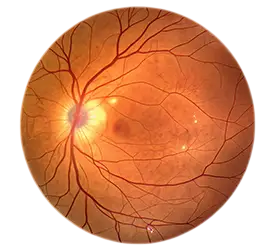
The retina is a thin, light sensitive layer at the back of the eye that plays a central role in how we see. It receives light entering the eye and converts it into electrical signals that travel to the brain through the optic nerve. The macula, located at the centre of the retina, is responsible for sharp central vision, reading, recognising faces and seeing fine details. The vitreous, a clear gel filling the eye, lies in front of the retina and supports its structure. Because retinal changes can directly affect vision, timely examination is important for detecting problems early and protecting long term eyesight.
Medical Retina
Medical retina deals with retinal diseases that can often be managed without major surgery. Treatment may involve intravitreal injections, retinal laser therapy, medicines or careful observation, depending on the diagnosis and severity.
For example, patients with diabetic macular oedema, wet age related macular degeneration or retinal vein occlusion may require injections to control retinal swelling or abnormal blood vessel activity. Regular OCT scans can then be used to monitor how the retina is responding to treatment.
Surgical Retina
Surgical retina becomes important when the problem involves a structural change that cannot be adequately managed with medicines or injections alone.
A vitrectomy may be recommended for conditions such as retinal detachment, macular hole, vitreous haemorrhage or certain complications of diabetic retinopathy. During vitrectomy the vitreous gel is removed so the surgeon can access and repair the retina. Laser, a gas bubble or silicone oil may also be used depending on the condition.
Retinal detachment, for example, may require vitrectomy, scleral buckle or pneumatic retinopexy, depending on the location and extent of the detachment.
Why Routine Retina Checks Matter
Some retinal conditions develop quietly, so regular examinations can reveal early changes before noticeable vision problems begin affecting everyday activities.
People with diabetes may develop retinal changes over time, making regular eye examinations important for tracking progression and planning timely treatment.
A detailed retinal check can help detect tears, holes or early detachment before they progress and cause more serious vision loss.
Regular examinations help monitor the macula for swelling, degeneration or structural changes that may affect reading, facial recognition and central vision.
Changes in the vitreous or peripheral retina may cause flashes or floaters and should be assessed to rule out underlying retinal problems.
Routine monitoring creates a clear record of retinal health, helping doctors compare changes over time and decide when further treatment may be needed.
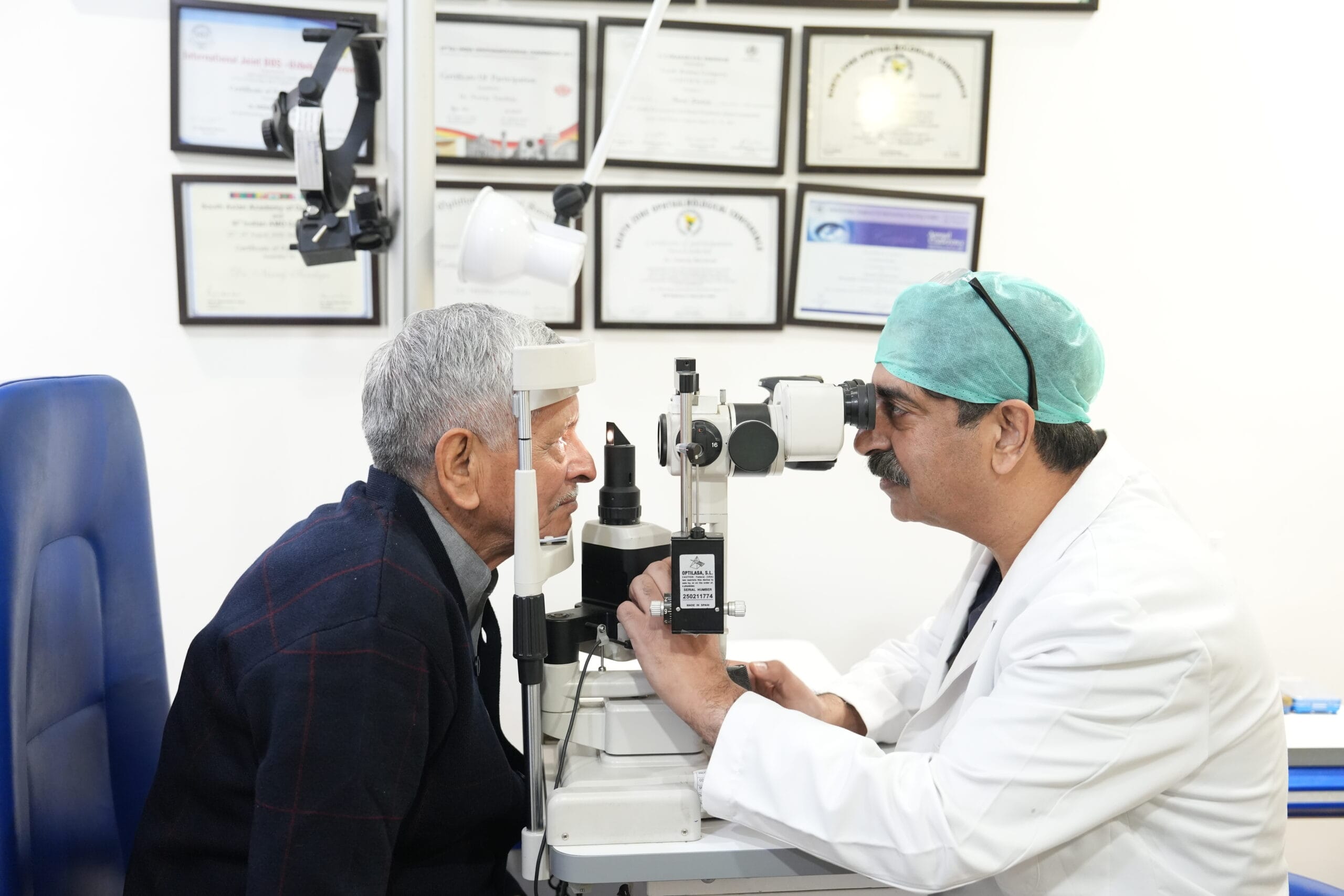
Experience, Technology and Specialist Retina Care Under One Roof
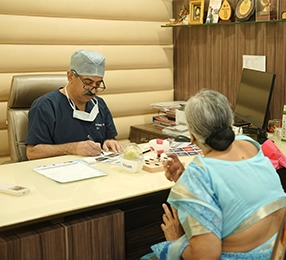
At Viaan Eye & Retina Centre, retinal care brings together Dr. Neeraj Sanduja’s extensive vitreoretinal experience, advanced retinal imaging and modern medical and surgical treatment. Everything starting from detailed diagnosis to injections, laser procedures and complex vitreoretinal surgery, every treatment plan is based on the condition of the retina and the individual needs of the patient.
Dr. Neeraj Sanduja brings more than 26 years of ophthalmology experience, with specialised expertise in vitreoretinal diseases and surgery.
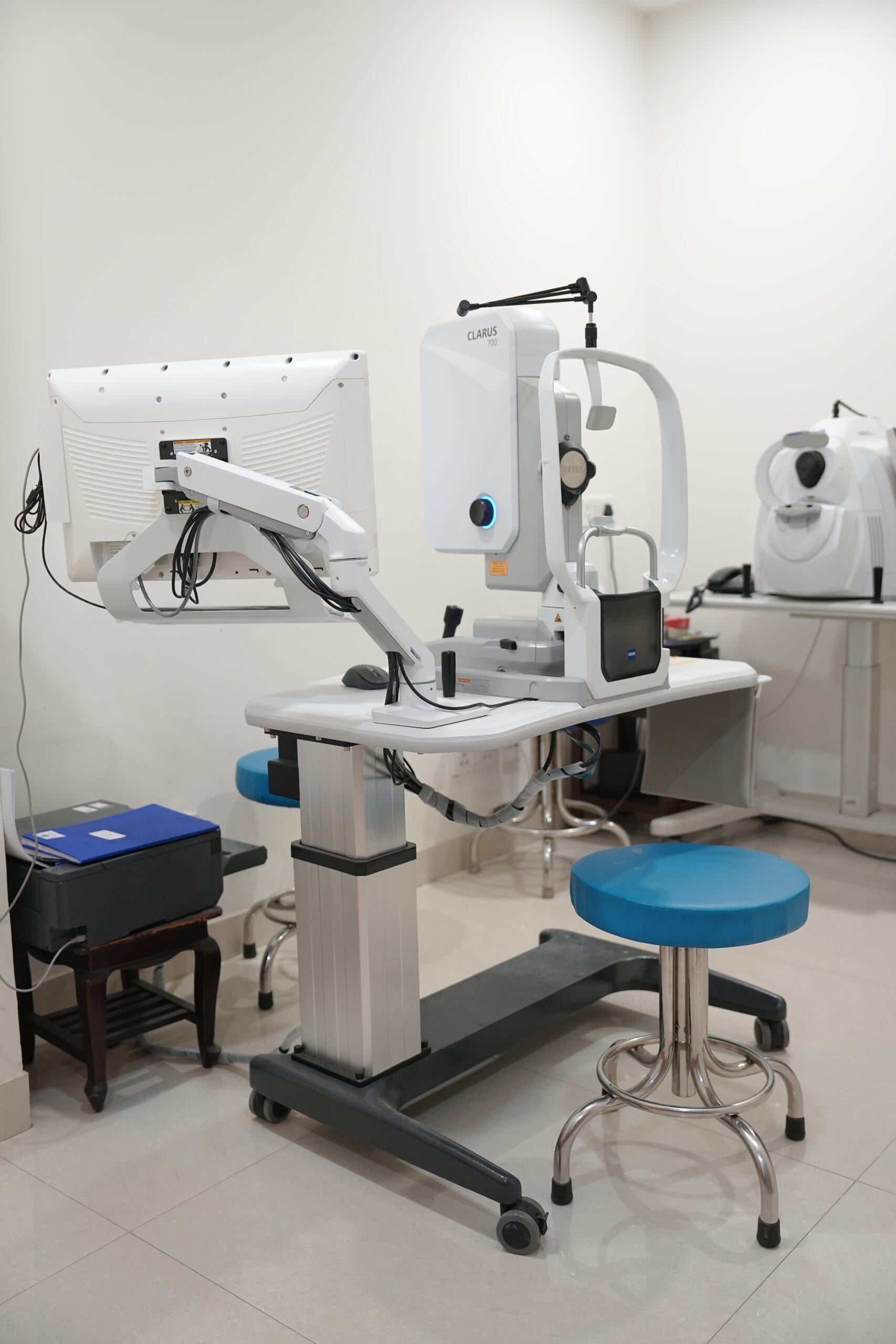
Detailed retinal evaluation supported by technologies such as OCT, OCTA, fundus imaging, FFA and B scan ultrasonography helps identify structural and vascular changes inside the eye.
Treatment options range from Anti VEGF injections and retinal laser therapy to vitrectomy and retinal detachment surgery, allowing diagnosis, treatment and follow up within one specialist centre.
Retinal scans, disease severity, symptoms and overall eye health are considered before deciding whether a patient needs monitoring, injections, laser treatment or surgery.
Choose the Right Retina Treatment for Your Eyes

Anti VEGF Injections
These injections are used for conditions such as wet AMD, diabetic macular swelling and retinal vein blockage. A retina specialist doctor decides the treatment after a detailed examination.

Retinal Laser Treatment
Laser treatment can help seal retinal tears, control leaking blood vessels and manage conditions such as diabetic retinopathy and macular oedema.
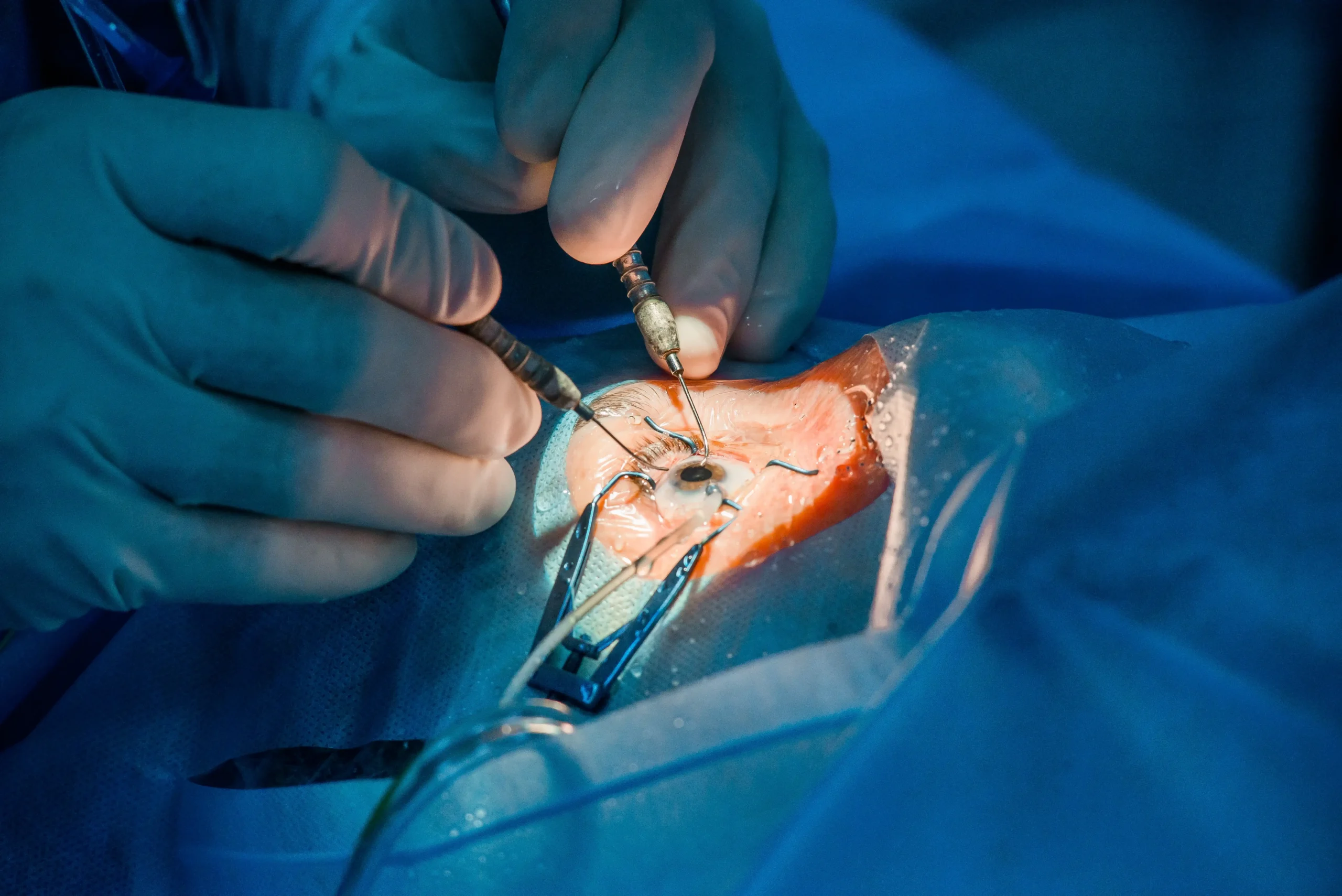
Vitrectomy Surgery
Vitrectomy may be needed for advanced diabetic retinopathy, vitreous haemorrhage, macular holes or retinal detachment. Treatment is planned by a **retina specialist in Gurgaon** after careful testing.
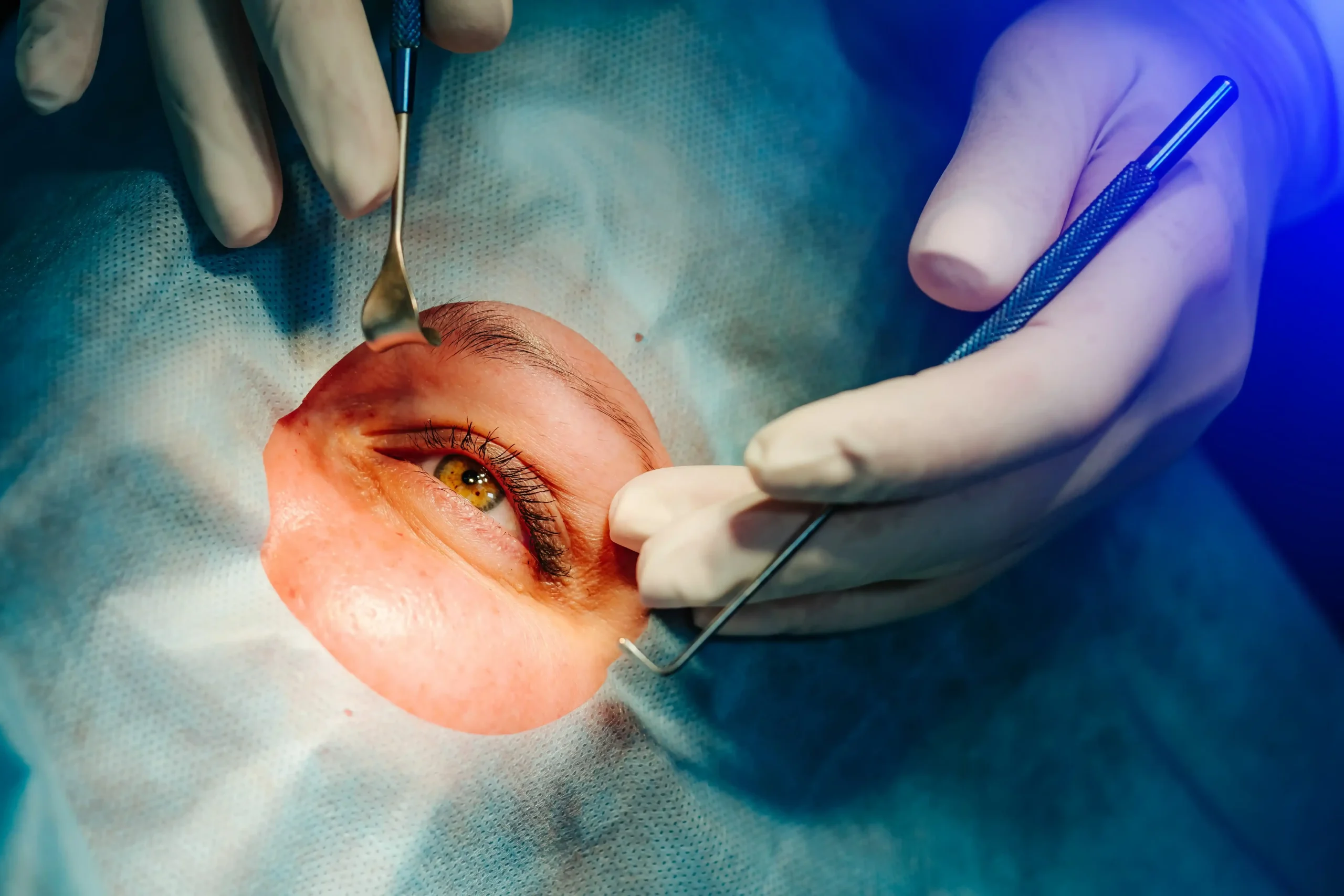
Retinal Detachment Surgery
Depending on the condition, treatment may involve scleral buckling or micro incision vitrectomy to help place the detached retina back in position.

Macular & Diabetic Retina Care
Retinal problems linked to diabetes, ageing or macular disease need timely monitoring and treatment. Patients searching for the best retina specialist in Gurgaon can consult Viaan for personalised retina care.
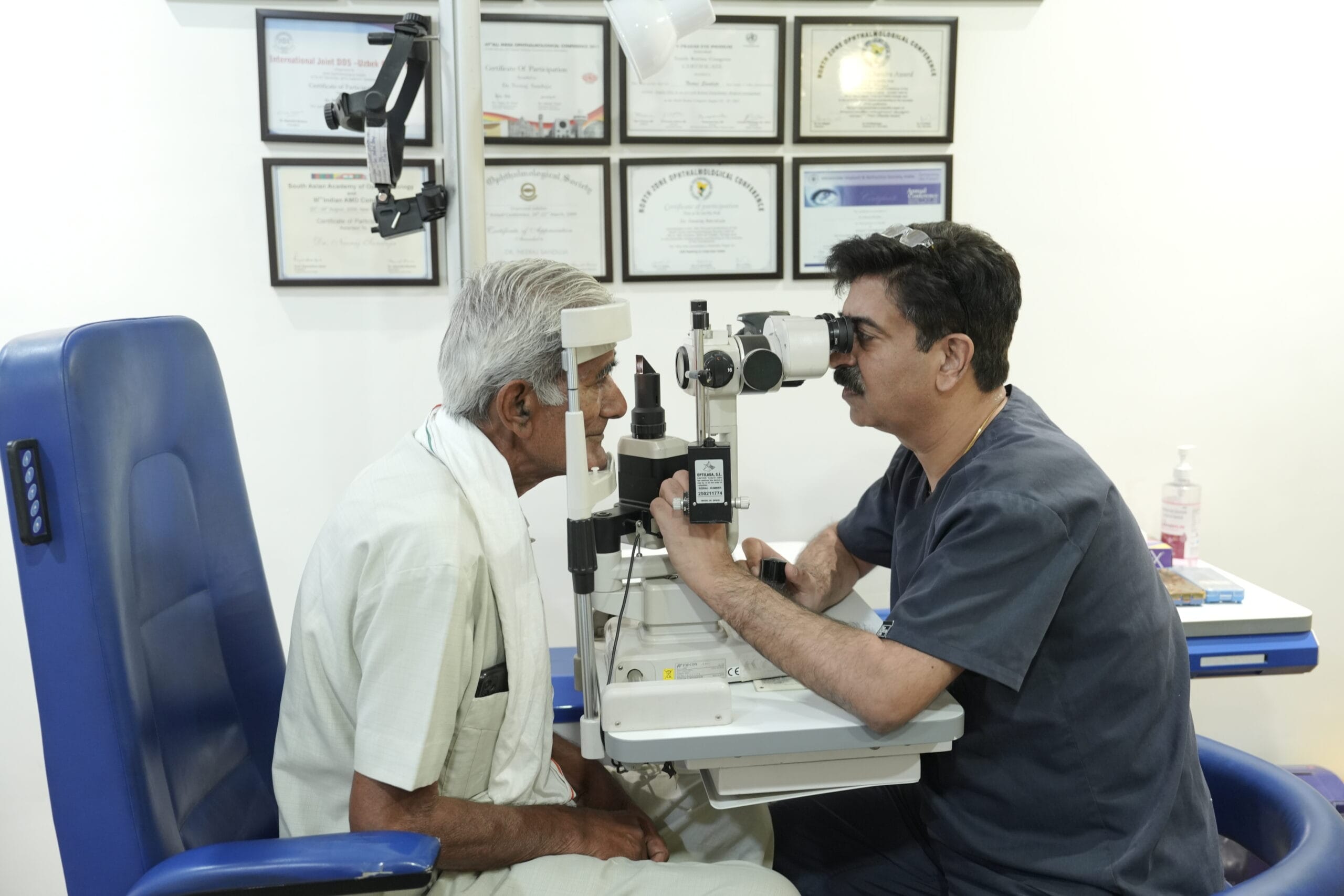
How We Examine the Retina
A detailed retinal examination helps us understand what is happening inside the eye and spot changes that may affect your vision.
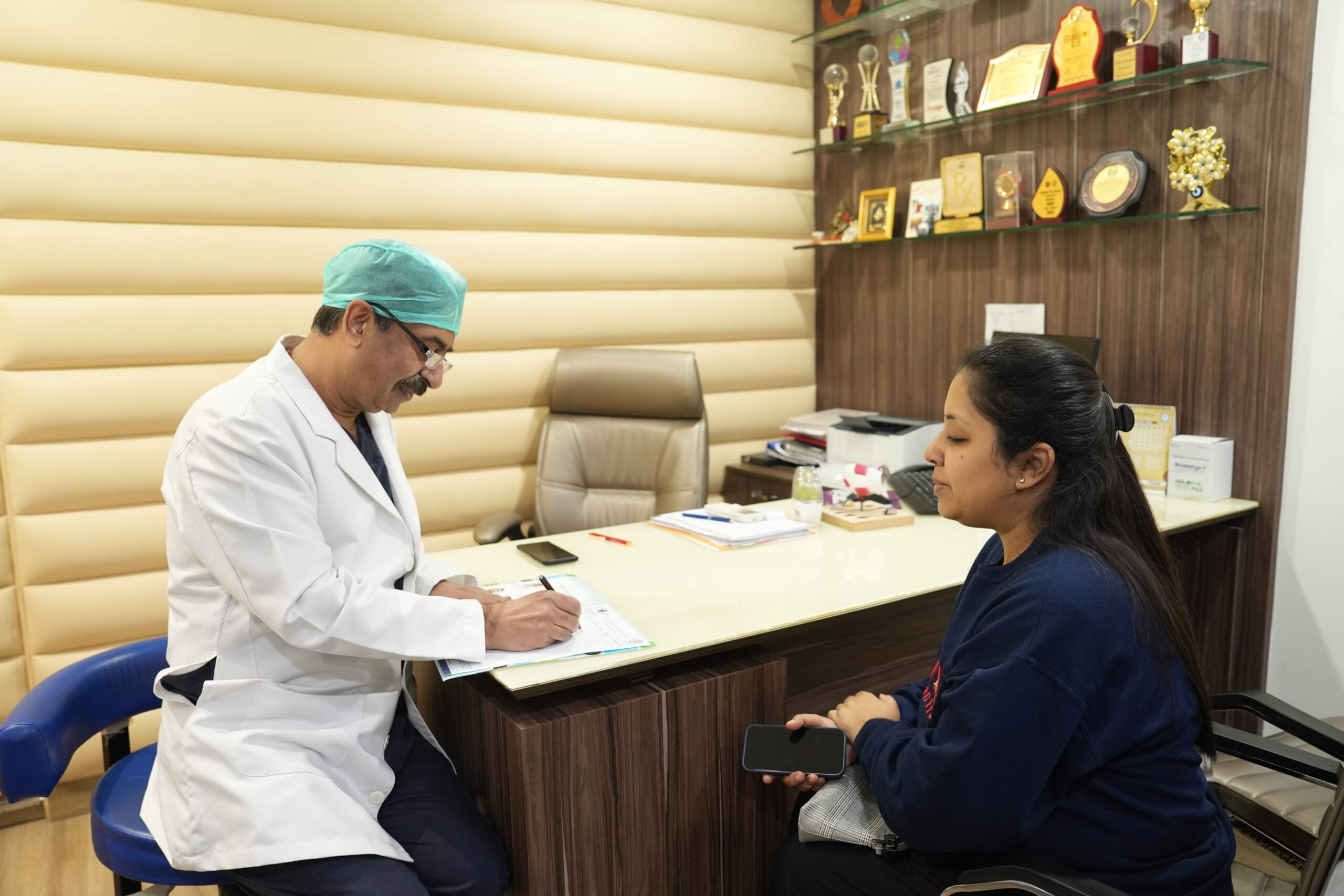
How We Choose Your Treatment
Your treatment is chosen after reviewing your scans, symptoms, retinal condition, overall eye health and how urgently vision needs protection.
Retina Emergencies You Should Never Ignore
Some retinal problems can develop suddenly and may threaten vision if treatment is delayed. The retina is a delicate, light sensitive tissue and conditions such as a retinal tear or detachment can progress quickly. Sudden visual changes should therefore be taken seriously, especially when they appear for the first time or worsen rapidly. Retinal detachment is considered a medical emergency because untreated detachment can lead to permanent vision loss.
Sudden Increase in Floaters
Floaters may look like dark spots, threads, cobwebs or small shapes moving across your vision. A few longstanding floaters can be common but a sudden shower of new floaters may indicate that the vitreous is pulling on the retina or that a retinal tear has developed. An urgent dilated retinal examination is important to rule out a tear or detachment.
Flashes of Light
Brief flashes, streaks or flickering lights especially in the side of your vision can occur when the vitreous pulls on the retina. Although flashes may sometimes occur with age related vitreous changes, new or increasing flashes should be examined promptly because they can accompany a retinal tear.
A Dark Curtain or Shadow in Your Vision
A dark curtain, veil or shadow moving across part of your visual field is one of the classic warning signs of retinal detachment. It may begin from the side and gradually spread toward central vision as more of the retina becomes detached. This requires immediate ophthalmic evaluation.
Sudden Blurring or Loss of Vision
A rapid drop in vision should never be ignored. Sudden blurring can occur when the retina, macula or vitreous is affected by bleeding, detachment or another acute retinal problem. Even if there is no pain, urgent examination may be necessary to identify the cause and protect remaining vision.
Sudden Loss of Peripheral Vision
You may notice that part of your side vision has disappeared, objects seem missing from one direction or your field of vision feels narrower. This can occur as a retinal detachment spreads and should be treated as an urgent warning sign.
Floaters or Flashes After Eye Injury or Surgery
New flashes or floaters following an eye injury or previous eye surgery deserve prompt assessment. Eye trauma and previous cataract surgery are among the factors associated with a higher risk of retinal detachment.
Sudden Visual Distortion
Straight lines appearing bent, warped or wavy or a sudden change in central vision, may indicate involvement of the macula. New distortion should be evaluated promptly, particularly in people already being monitored for retinal or macular disease.
Do You Need a Retina Check?
Some retinal problems start quietly, while others can cause sudden changes in vision. A timely check with a retina specialist in Gurgaon can help find the cause early.
Advanced Retina Evaluation for Better Visual Care
At Viaan Eye & Retina Centre we use advanced diagnostic technology that supports detailed retinal evaluation to help identify changes that may not be noticeable in the early stages. Careful examination of the retina allows the clinical team to understand its structure, detect abnormalities and plan timely treatment when required. Early diagnosis can be especially important in retinal conditions where vision may be affected before symptoms become obvious.
The macula, located at the centre of the retina, supports sharp central vision used for reading, recognising faces and seeing fine details. The surrounding retina contributes to peripheral vision and spatial awareness. At the back of the eye the retina works closely with the optic nerve, which carries visual information to the brain. In front of the retina lies the vitreous, a clear gel like substance that fills much of the inside of the eye.
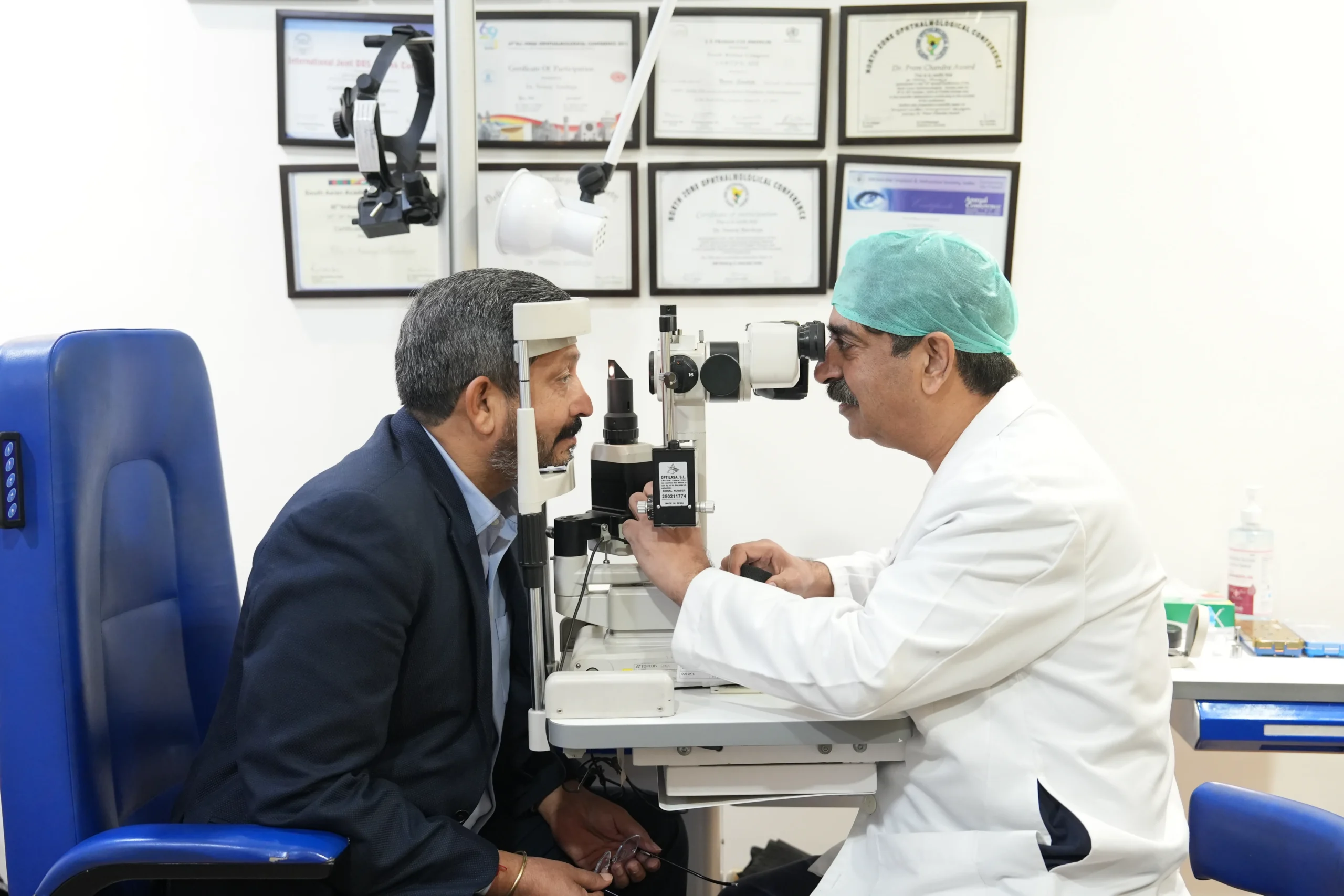
How We Guide You Through Retina Treatment
Every retina case is different, so the care plan begins with understanding your eyes properly and deciding what genuinely needs attention.
1. Complete Retina Check
We first examine your eyes in detail, talk through your symptoms and look for any changes that may be affecting the retina.
2. Detailed Eye Tests
If needed, your doctor may suggest scans such as OCT or retinal imaging to get a clearer picture of what is happening inside the eye.
3. Treatment Planned for You
Your retina specialist doctor explains the findings in simple terms and recommends the right next step, whether it is observation, injections, laser treatment or surgery.
4. Treatment and Recovery
Your treatment is carried out according to the condition of your retina. You are also guided on medicines, precautions and recovery at each stage.
5. Ongoing Follow Up
Regular visits with a retina specialist in Gurgaon help keep track of your progress and catch any new changes before they become more serious.
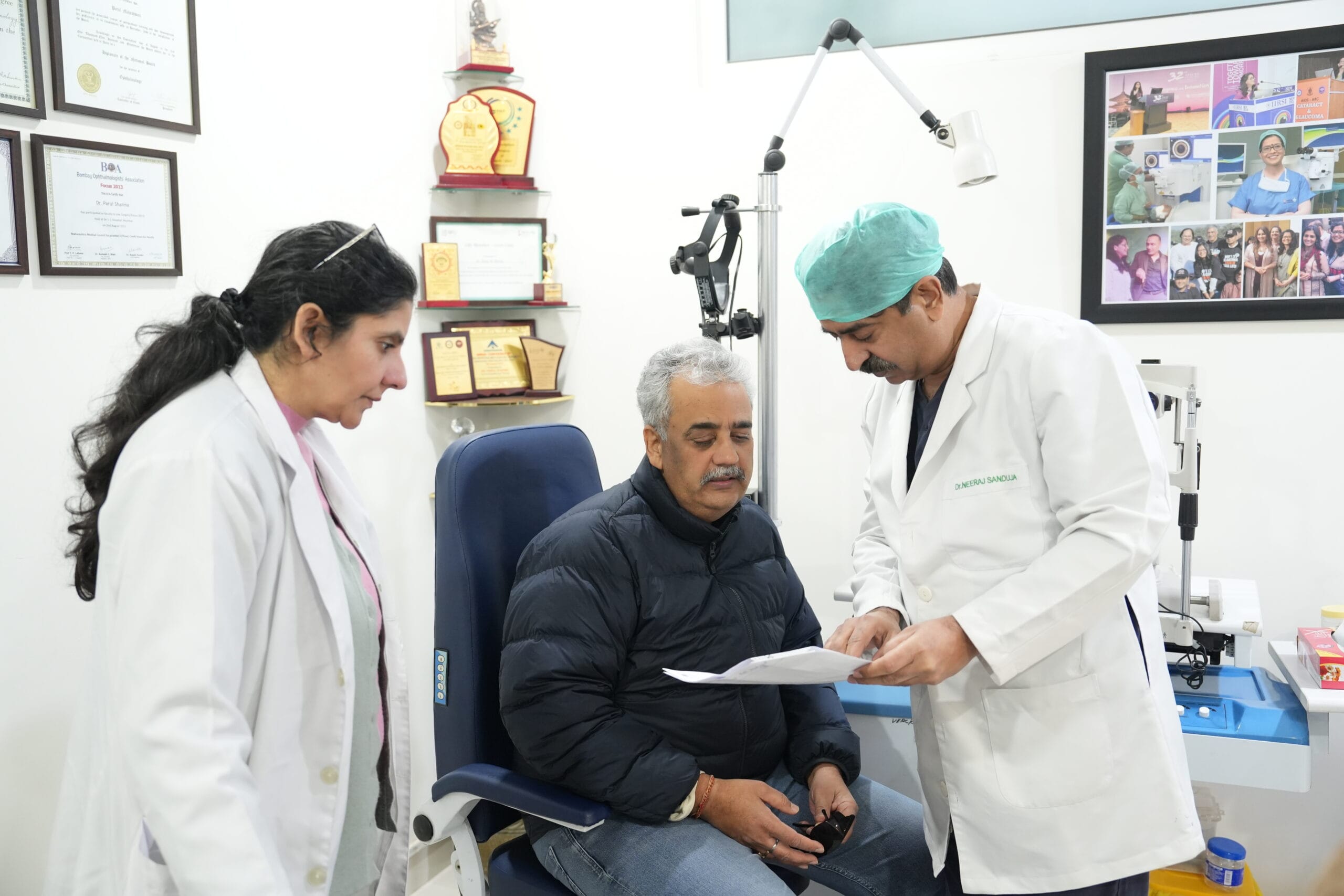
What Happens After Retina Treatment
Recovery after retina treatment depends on whether you have had an injection, laser procedure or retinal surgery. Some treatments need only a short recovery period, while procedures such as vitrectomy or retinal detachment surgery require closer follow up and activity restrictions. The goal after treatment is to monitor healing, protect the retina and identify any change in vision as early as possible.
Give Your Retina the Care It Needs
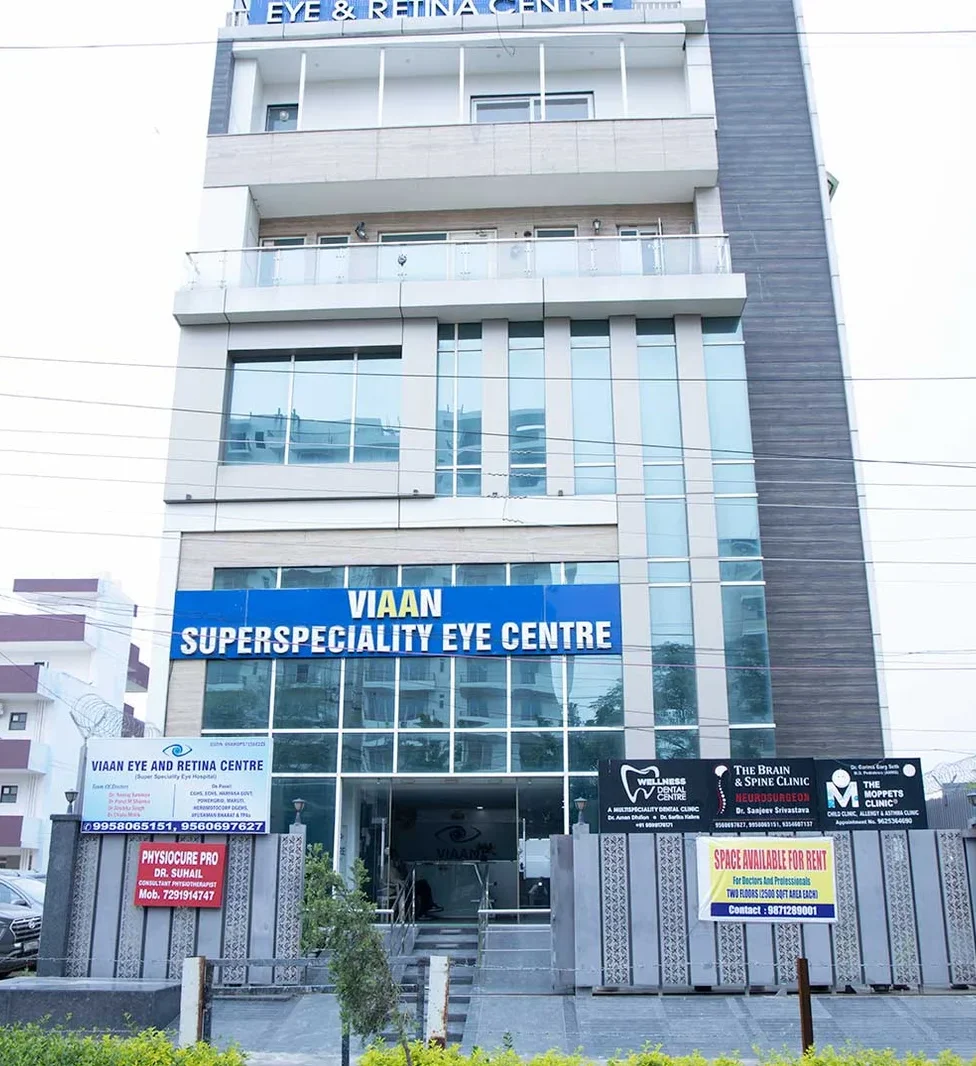
Retina problems can progress quietly. Speak with a retina specialist in Gurgaon and get the right care at the right time.
Frequently Asked Questions
1. When should I see a retina specialist doctor?
See a retina specialist doctor for sudden floaters, flashes, blurred vision, distorted sight or a dark curtain across your vision.
2. What conditions does a retina specialist treat?
A retina specialist treats problems such as diabetic retinopathy, retinal detachment, macular degeneration, retinal tears, macular swelling and vitreous disorders.
3. How does a retina specialist in Gurgaon diagnose retinal problems?
A retina specialist in Gurgaon may use a dilated eye examination, retinal imaging, OCT and other tests depending on your symptoms.
4. Can retinal problems be treated without surgery?
Yes. Depending on the condition, treatment may include monitoring, eye injections, medicines or laser therapy. Some retinal problems require surgery.
5. How do I choose the best retina specialist in Gurgaon?
Look for experience in retinal diseases, advanced diagnostic technology, multiple treatment options, clear guidance and regular follow up care.