

How Cataracts Gradually Affect Your Vision
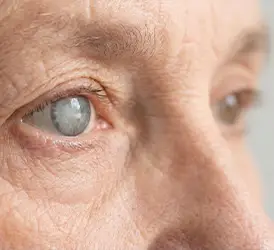
A cataract develops when the natural lens inside the eye gradually becomes cloudy, making it harder for light to pass through clearly and focus on the retina. As the clouding progresses, vision may become blurred, hazy or less sharp and colours can appear dull. Many people also notice glare around lights, difficulty driving at night or frequent changes in spectacle power. Cataracts usually develop slowly and are commonly related to ageing, although diabetes, eye injury, certain medicines and other eye conditions can also contribute. A detailed eye examination helps determine how much the cataract is affecting vision and daily activities.
How Do I Know If I Need Cataract Surgery?
Having a cataract does not automatically mean you need surgery straight away. In its early stages, a cataract may cause only minor changes in vision and a new pair of glasses, brighter lighting or simple lifestyle adjustments may still help. Cataract surgery is usually considered when the clouding of the natural lens begins to interfere with how well you see and how comfortably you manage everyday life. The National Eye Institute similarly notes that surgery is generally recommended when cataract related vision loss starts affecting activities such as reading, driving or watching television. National Eye Institute
Your Daily Vision Usually Gives the First Clues
Cataracts tend to develop slowly, which means people sometimes adjust to poorer vision without realising how much it has changed. You may still be able to read an eye chart reasonably well while struggling with glare, contrast or night vision in real time situations.
Signs that it may be time to discuss cataract surgery include:
- Increasingly blurred or cloudy vision that makes objects look less defined.
- Difficulty driving at night, especially because of headlights, glare or reduced contrast.
- Halos around lights, particularly streetlights and vehicle headlights.
- Colours appearing faded, yellowish or less vibrant than they once did.
- Needing brighter light to read books, newspapers, menus or phone screens.
- Frequent changes in spectacle power without lasting improvement in vision.
- Difficulty recognising faces or seeing fine details clearly from a distance.
- Double vision in one eye, which can occur with certain cataracts.
- Greater sensitivity to sunlight or bright indoor lighting.
- Problems with work, hobbies or household activities because vision no longer feels dependable.
- Reduced confidence while walking, using stairs or moving through unfamiliar environments, especially in poor lighting.
When Glasses Are No Longer Enough
Early cataract related changes can sometimes be managed with an updated glasses prescription. But as the lens becomes progressively cloudy, changing spectacles may stop providing the improvement you expect.
You may notice that your prescription keeps changing, yet your vision still seems dull or hazy. This happens because glasses can correct refractive power but they cannot make a cloudy natural lens clear again.
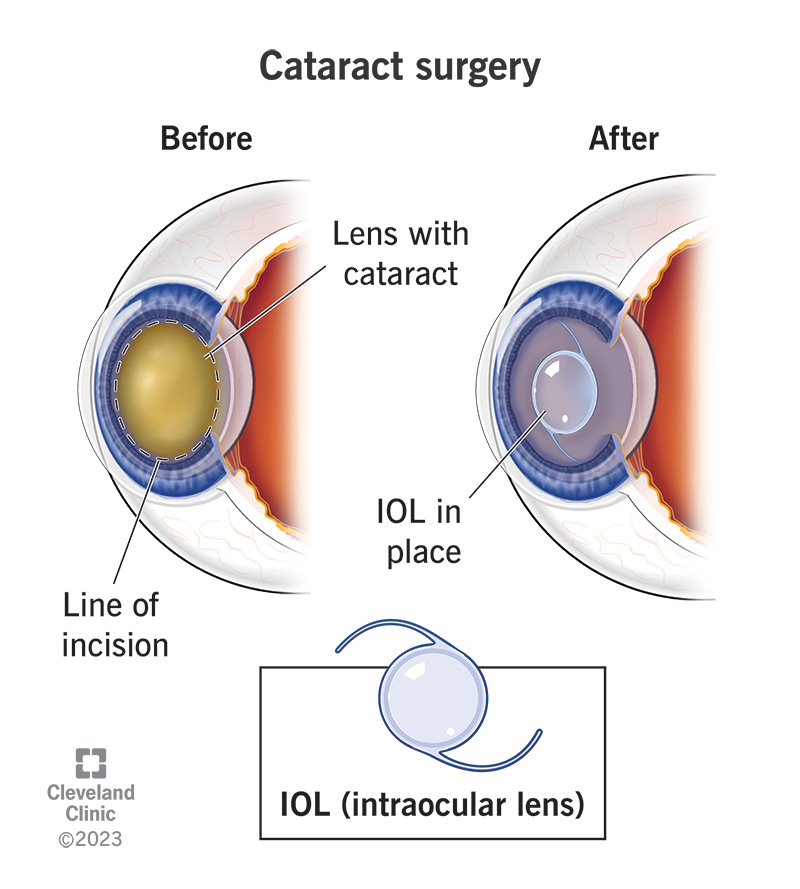
Once the cataract itself becomes the main reason for poor vision, surgery is the only treatment that removes it. During cataract surgery, the cloudy natural lens is removed and replaced with a clear intraocular lens or IOL.
You Do Not Have to Wait for a Cataract to Become Mature
A common belief is that cataracts should be allowed to become fully developed before surgery. That is generally not how modern cataract surgery is planned.
The decision is usually based on how much the cataract is affecting your vision and quality of life, together with what the ophthalmologist finds during examination. If reading, driving, working or doing everyday activities has become difficult, there may be little benefit in waiting simply for the cataract to become denser.
At the same time, a small cataract that is not affecting everyday life may simply be monitored during regular eye examinations. The National Eye Institute notes that most people do not need to rush into surgery if their cataract is not significantly interfering with daily activities.
How Your Ophthalmologist Decides
There is no single number or vision chart score that decides when everyone needs cataract surgery.
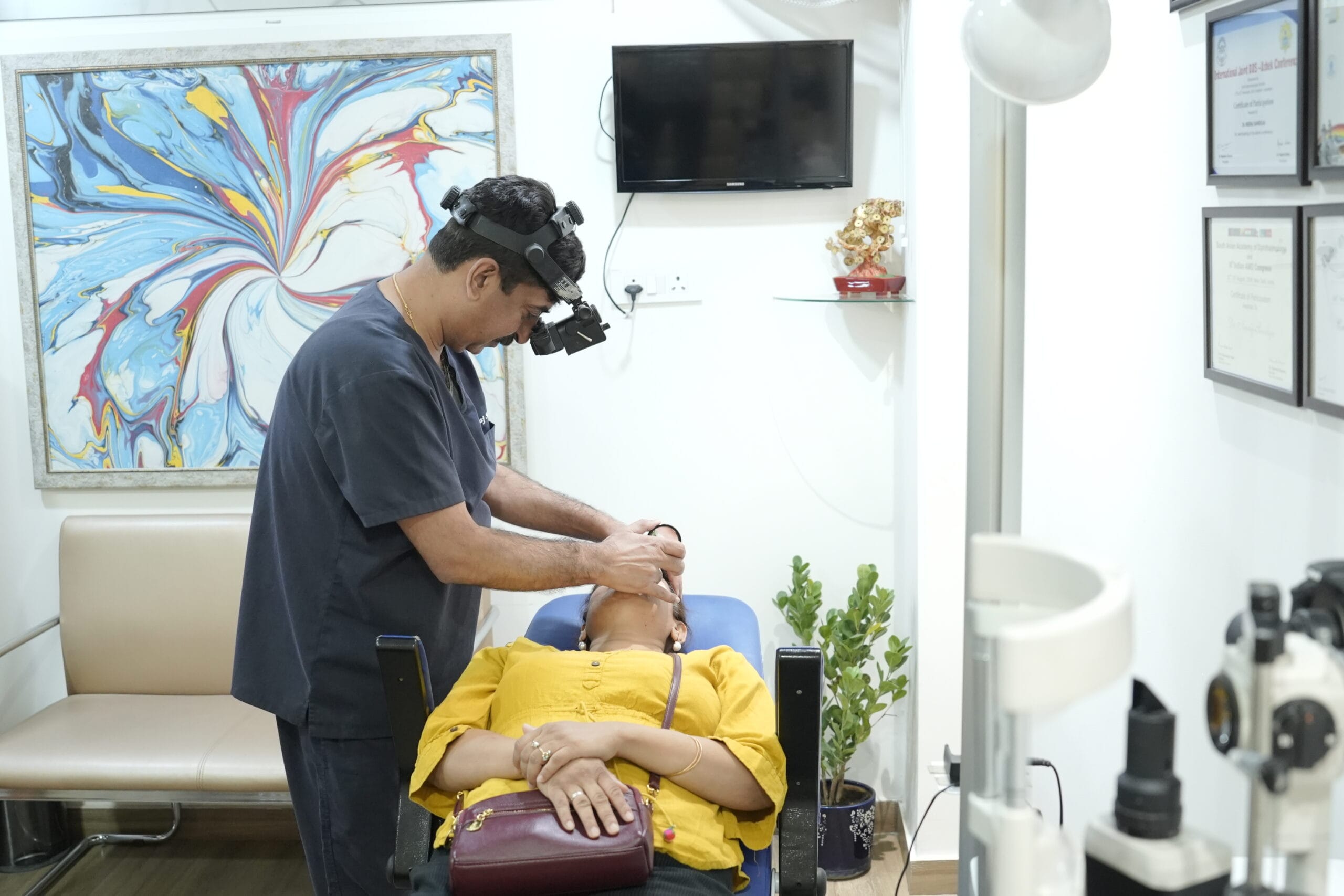
Your ophthalmologist will consider your symptoms alongside measurements and findings from the eye examination. This may include your visual acuity, cataract type and density, spectacle prescription, corneal condition, eye pressure, pupil examination, macular and retinal health, as well as how much your vision problems interfere with your normal activities.
If surgery is being planned, detailed measurements of the size and shape of the eye are also taken to help calculate the appropriate power of the artificial lens that will replace the cataract.
Cataract Warning Signs You Should Not Ignore
Cataracts usually develop gradually but certain vision changes can signal that the natural lens is becoming cloudy and needs specialist evaluation.
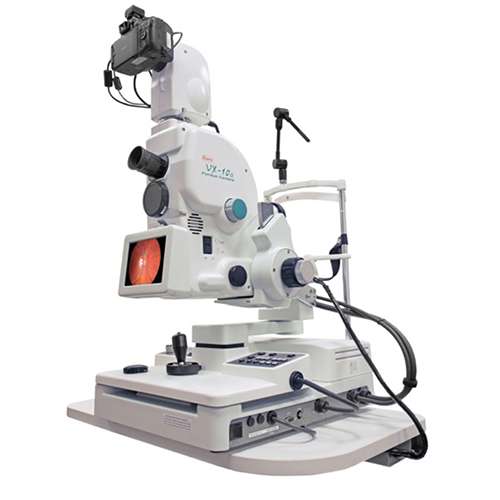
What We Measure Before Cataract Surgery
Before cataract surgery, precise eye measurements help us plan the procedure, calculate lens power and choose the most suitable IOL.
Choose the Right Cataract Treatment for Your Eyes
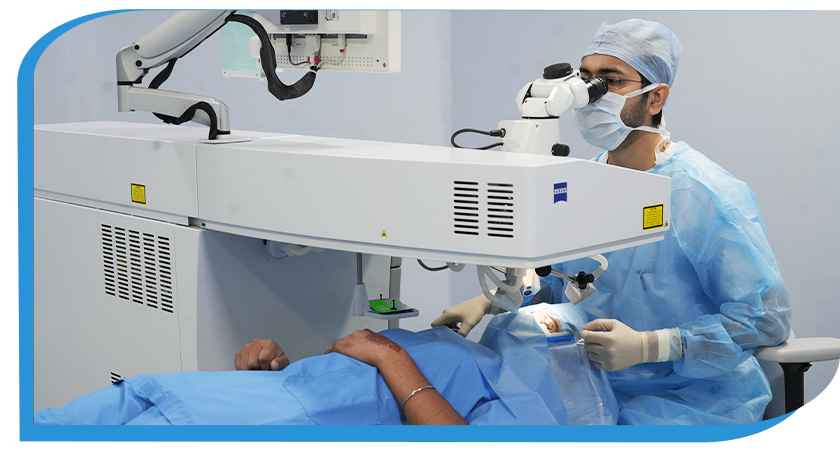
MICS Cataract Surgery
A minimally invasive option for cataract surgery in Gurgaon, using a very small incision to remove the cloudy lens and place a foldable IOL.
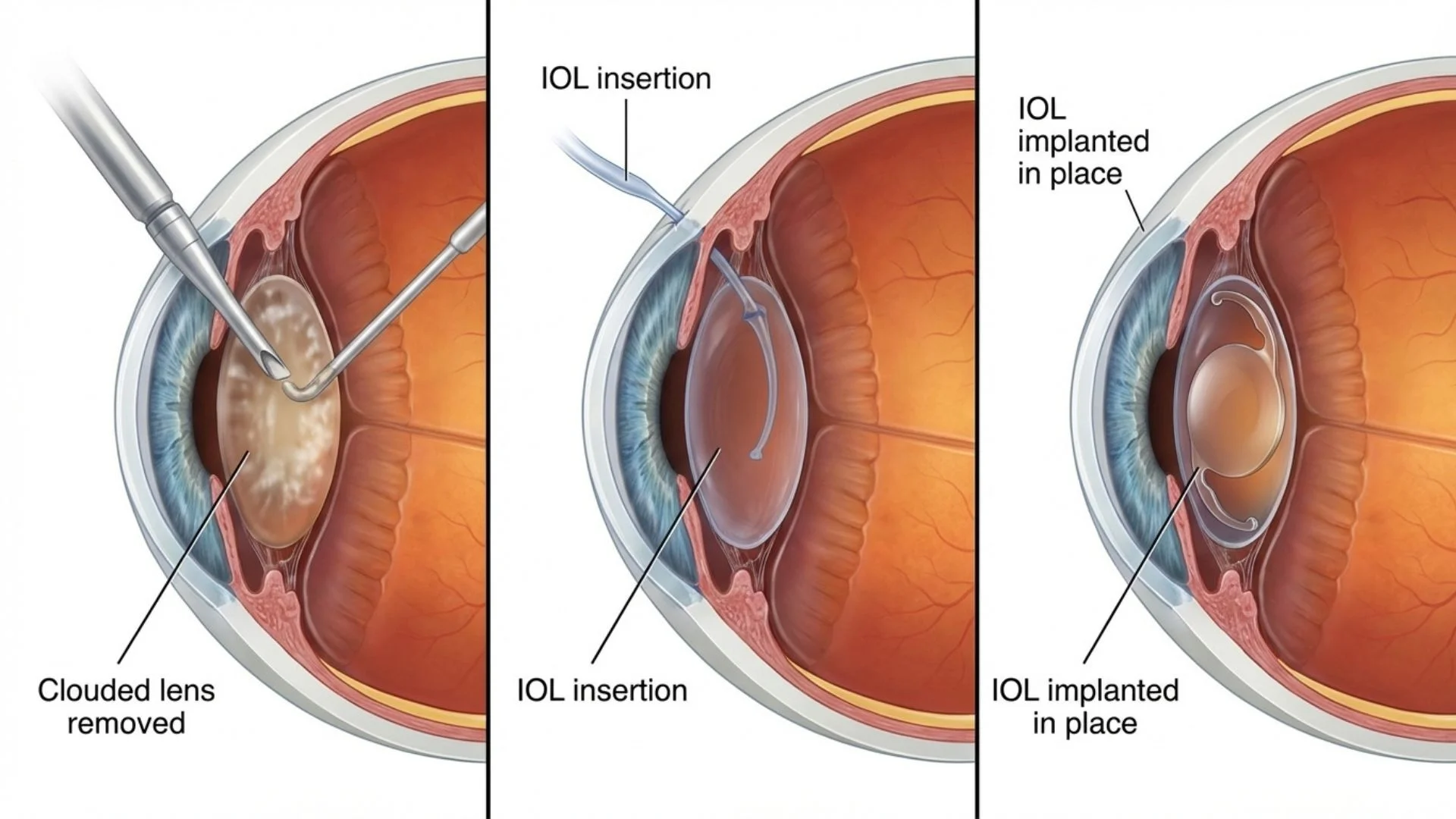
Monofocal IOL
Designed to provide clear vision at one chosen distance, usually far. Reading glasses may still be needed for near work.
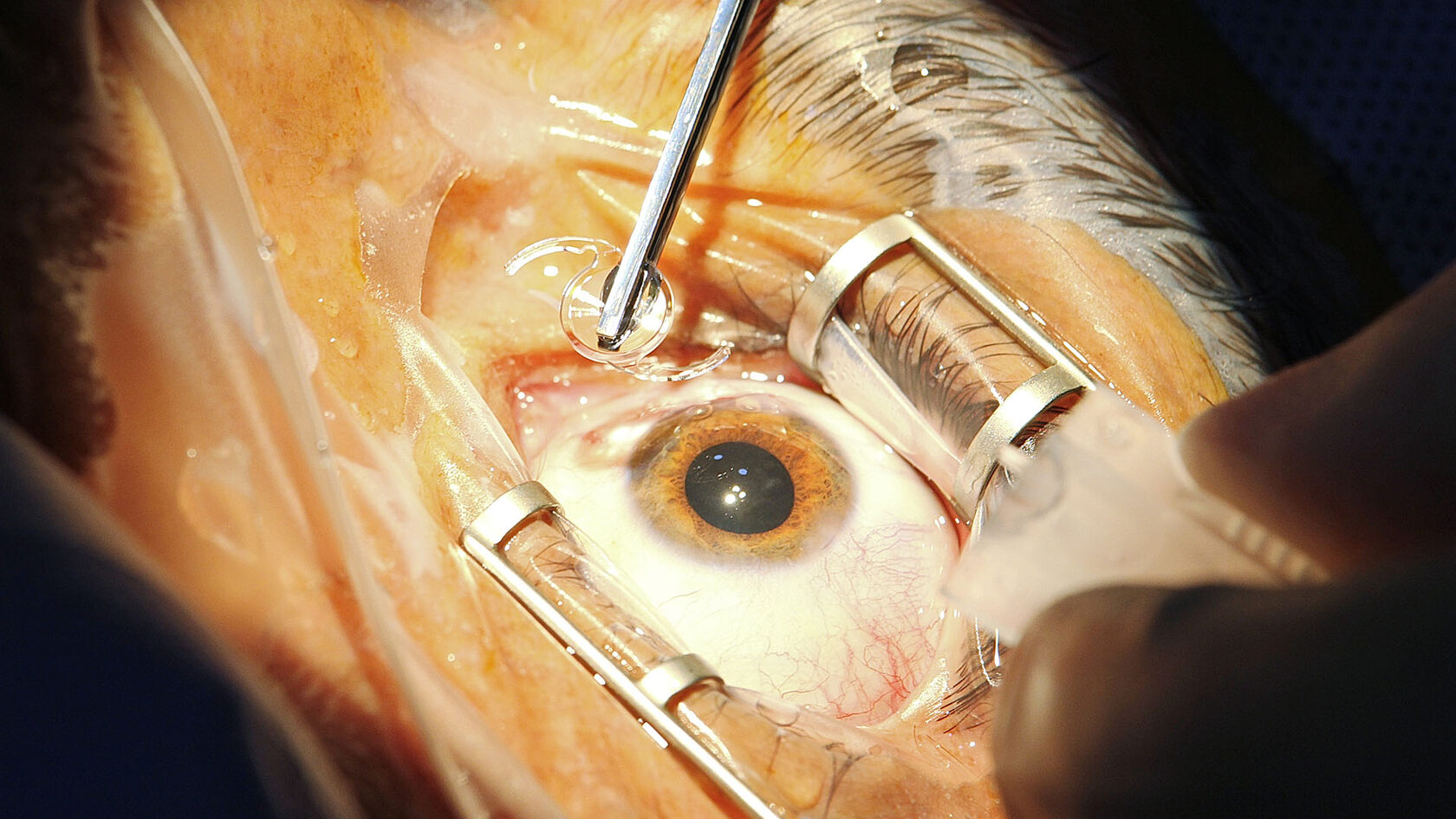
Multifocal / Trifocal IOL
These advanced lenses are designed to improve vision across more than one distance, helping reduce dependence on glasses for everyday activities.
EDOF IOL
Extended Depth of Focus lenses provide a wider range of useful vision and can suit people with an active everyday lifestyle.
Toric IOL
Toric lenses are designed for cataract patients who also have astigmatism. The best cataract surgeon in Gurgaon can recommend suitability after detailed eye measurements.
The Right IOL Can Change How You See Every Day
Choosing the right IOL can shape how clearly you see at different distances and how often you may need glasses.
Designed to provide clear vision at one selected distance, usually far vision. It is a reliable choice, although patients may still need glasses for reading, phones or other close up activities.
Designed to support vision at more than one distance, multifocal lenses can reduce dependence on glasses for daily tasks. Suitability depends on eye health, visual needs and individual personal expectations.
Trifocal lenses provide vision across near, intermediate and distance ranges. They may suit patients who want greater freedom for reading, computer work, driving and other everyday activities without frequent glasses.
Extended Depth of Focus lenses create a broader range of vision, especially for distance and intermediate tasks. They can support active lifestyles, though reading glasses may still be needed occasionally.
Toric lenses are designed for patients with astigmatism who require lens replacement. They help correct corneal astigmatism during surgery, improving visual clarity and potentially reducing dependence on distance glasses afterward.
Compare Your Intraocular Lens Options
The right IOL depends on your eye measurements, visual needs and lifestyle. Each lens type offers a different range of vision.
| IOL Type | Distance Vision | Intermediate Vision | Near Vision | Astigmatism Correction | Best Suited For |
|---|---|---|---|---|---|
| Monofocal IOL | Clear | Limited | Reading glasses usually needed | No | Patients comfortable using glasses for near work |
| Multifocal IOL | Clear | Clear | Clear | Usually no | Patients seeking reduced dependence on glasses at multiple distances |
| Bifocal IOL | Clear | Limited to moderate | Clear | Usually no | Patients who mainly need clear distance and near vision |
| Trifocal IOL | Clear | Clear | Clear | Usually no | Patients wanting a broader range of vision for distance, intermediate and near tasks |
| EDOF IOL | Clear | Strong | Functional | Usually no | Active patients who value distance and intermediate vision with a smoother visual range |
| Toric IOL | Clear | Depends on lens design | Depends on lens design | Yes | Patients with pre existing corneal astigmatism |
Your Eyes Are Unique Your Lens Choice Should Be Too
We believe there is no single IOL that is right for every patient.
The lens recommended for you depends on your eyes your vision requirements and your everyday lifestyle.
Our specialists may consider several factors before suggesting an IOL that’s including:
Depending on the results of your detailed eye examination, Monofocal, Multifocal/Trifocal, EDOF or Toric IOL options may be considered.
For example, someone who spends significant time working on a computer may have different visual needs from someone whose priority is sharp distance vision for driving. Similarly, an individual with astigmatism may require a different lens strategy from someone without astigmatism.
That is why we do not recommend a lens based only on its technology or popularity.
At Viaan Eye & Retina Centre the aim is to understand how you use your vision in everyday life, carefully evaluate the health and measurements of your eyes and then discuss the lens options that may be most appropriate for you.
The right IOL is not simply the most advanced lens it is the lens that is best suited to your eyes and your visual needs.
Latest Surgical Techniques for Cataract Management Used at Viaan Eye and Retina Centre
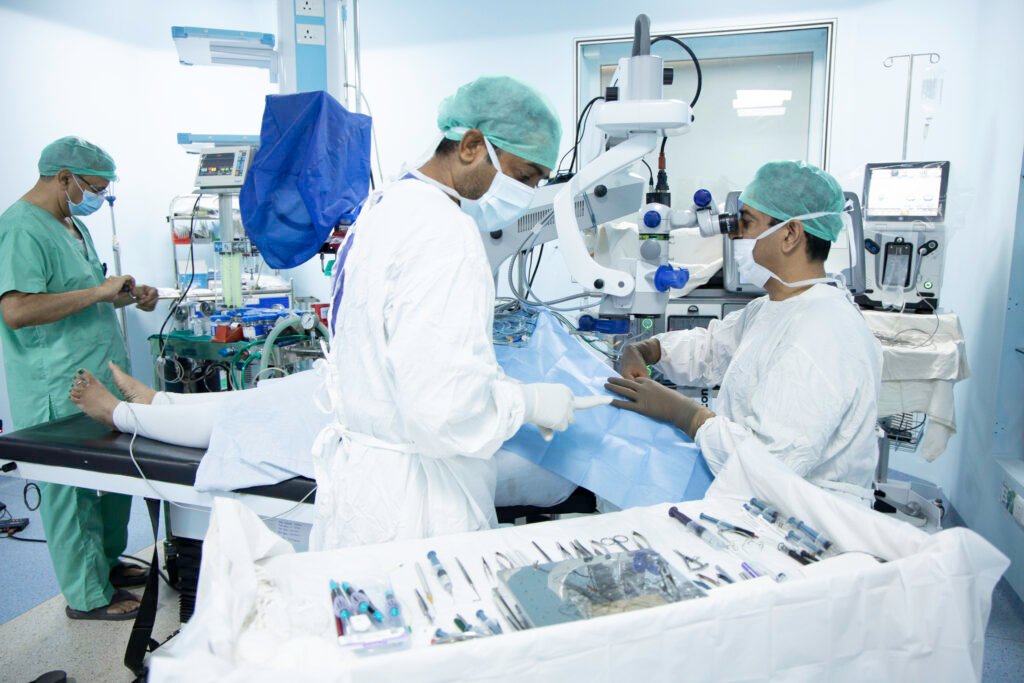
At Viaan Eye & Retina Centre, cataract surgery is planned according to the density of the cataract, corneal health, eye measurements, retinal condition and the patient’s visual needs. The centre offers modern small incision cataract techniques designed to remove the cloudy natural lens precisely and replace it with a carefully selected intraocular lens (IOL). Viaan specifically lists phacoemulsification and MICS, while its clinical team also includes expertise in FEMTO bladeless cataract surgery.
Micro Incision Cataract Surgery (MICS)
MICS uses a very small corneal incision to access and remove the cataract. The cloudy lens is broken into tiny fragments and removed before a foldable IOL is implanted. The smaller incision is designed to minimise tissue disruption and generally does not require stitches. Viaan currently presents MICS as one of its cataract treatment options.
Phacoemulsification Cataract Surgery
Phacoemulsification uses an ultrasound powered probe to break the cloudy natural lens into small fragments. These fragments are gently aspirated from the eye, after which a foldable artificial lens is implanted through the small incision. Viaan describes its phacoemulsification approach as micro incision, stitchless cataract surgery with relatively fast visual recovery.
FEMTO Bladeless Cataract Surgery
In femtosecond laser assisted cataract surgery, selected steps of the procedure can be performed using a femtosecond laser rather than conventional manual instruments. This allows highly controlled corneal incisions and lens opening steps before the cataract is removed. Viaan's clinical team includes specialised expertise in FEMTO bladeless and micro phacoemulsification cataract surgery.
Small Incision, Stitch Free Approach
Modern cataract surgery generally aims to work through a small self sealing incision. This reduces the need for sutures and allows the surgeon to implant a foldable IOL through the same small opening. Viaan describes its current MICS approach as stitch free and performed using anaesthetic drops in suitable cases.
Advanced IOL Implantation
Cataract surgery is not only about removing the cloudy lens. Once the cataract is removed, an intraocular lens (IOL) is implanted to restore the eye’s focusing power. The lens choice can be planned according to eye measurements, astigmatism, retinal health, lifestyle and the patient’s distance and near vision requirements.
The important message for this section should be: the surgical technique and IOL are selected for the individual eye rather than using one standard approach for every cataract patient.
Why Choose Viaan Eye and Retina Centre?
Are You a Candidate for Cataract Surgery?
If cataracts are beginning to affect your everyday vision, a detailed eye check can help decide whether cataract surgery in Gurgaon is the right next step.
Clearer Sight Begins with the Right Care
From the first eye check to recovery, every step of your cataract surgery in Gurgaon is carefully planned around your vision and comfort.
1. Detailed Eye Check: We begin by checking your vision, cataract stage, eye pressure, retina and overall eye health. These tests help us understand what your eyes need.
2. Lens & Treatment Planning: Our doctor discusses suitable lens options based on your eyesight, daily routine and expectations. The goal is to choose what works best for you.
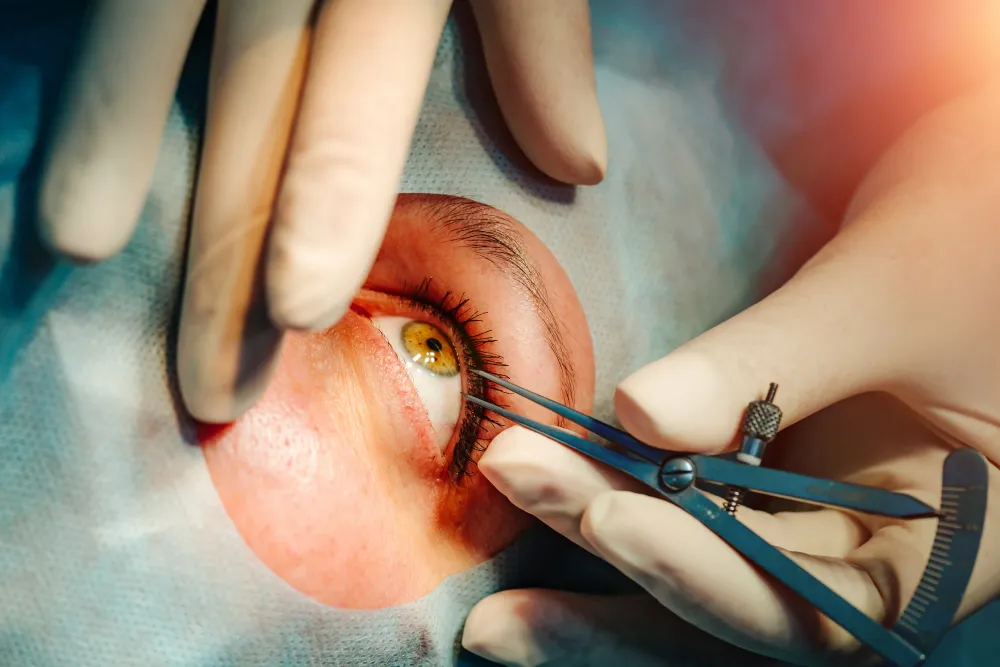
3. Cataract Surgery: The cloudy natural lens is gently removed and replaced with the selected artificial lens. Modern techniques help make the procedure precise and comfortable.
4. Recovery: You can usually return home the same day. Eye drops, simple precautions and a little rest help your eyes settle and recover smoothly.
5. Follow Up Care: Regular check ups allow the best cataract surgeon in Gurgaon to monitor healing, check your vision and guide you through the recovery period.
Cataracts Shouldn’t Decide How You See Life
Don’t let cataracts make everyday moments look dull or blurred. Take the next step towards clearer vision with cataract surgery in Gurgaon.
Frequently Asked Questions
1. When should I consider cataract surgery?
Cataract surgery is usually considered when cloudy vision begins affecting reading, driving, work or other everyday activities.
2. Is cataract surgery in Gurgaon a day care procedure?
Yes. Most patients undergoing cataract surgery in Gurgaon can usually return home the same day after the procedure.
3. How long does recovery take after cataract surgery?
Vision often starts improving within days, though complete recovery can take several weeks depending on your eyes and overall health.
4. How do I choose the best cataract surgeon in Gurgaon?
Look for experience, detailed eye evaluation, modern surgical technology, suitable lens options, clear guidance and proper post surgery follow up care.
5. Will I still need glasses after cataract surgery?
You may still need glasses for certain distances or reading, depending on the lens selected and your vision needs.