What Is Paediatric Ophthalmology
Paediatric ophthalmology focuses on the diagnosis and treatment of eye problems in babies, children and teenagers. A child’s visual system is still developing, so conditions that may seem minor can affect long term vision if they are not identified early. Paediatric eye care covers problems such as refractive errors, squint, lazy eye, childhood cataract, glaucoma, blocked tear ducts and congenital eye conditions. Children also need age appropriate vision testing because they may not always be able to explain what they see. Early examination and timely treatment can support healthy visual development, improve eye coordination and reduce the risk of permanent vision problems.
Why Children Need Specialised Eye Care
Children’s eyes are still developing, which means vision problems can affect much more than how clearly they see. They can influence learning, reading, concentration, eye coordination, confidence and overall development. Many children may not realise that their vision is different, so they may never complain about blurred or uncomfortable eyesight.
Specialised paediatric eye care focuses on detecting problems at the right stage of visual development. Conditions such as refractive errors, squint, lazy eye, congenital cataract, childhood glaucoma and blocked tear ducts may require early attention to prevent long term visual difficulties.
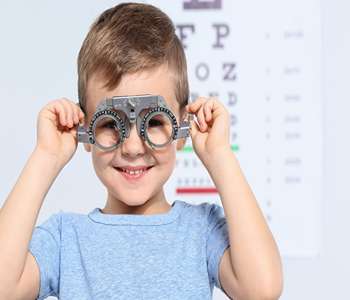
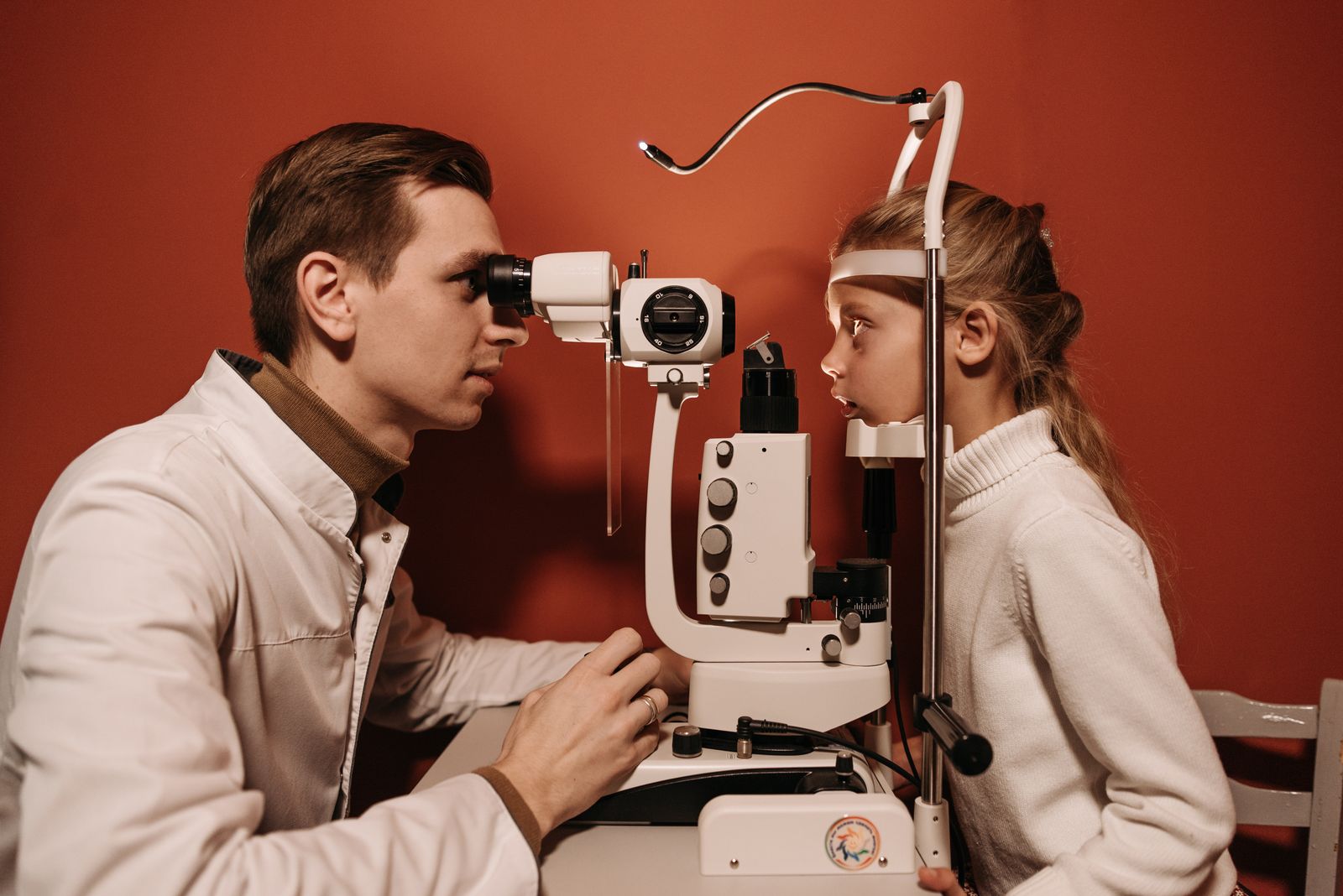
Children also need examination methods suited to their age and ability to communicate. A paediatric ophthalmologist evaluates vision, eye alignment, focusing ability, eye movements and overall eye health using child friendly techniques.
Early detection allows treatment to begin while the visual system is still developing, giving children the best opportunity for healthy, functional vision.
When Should Your Child See an Eye Specialist?
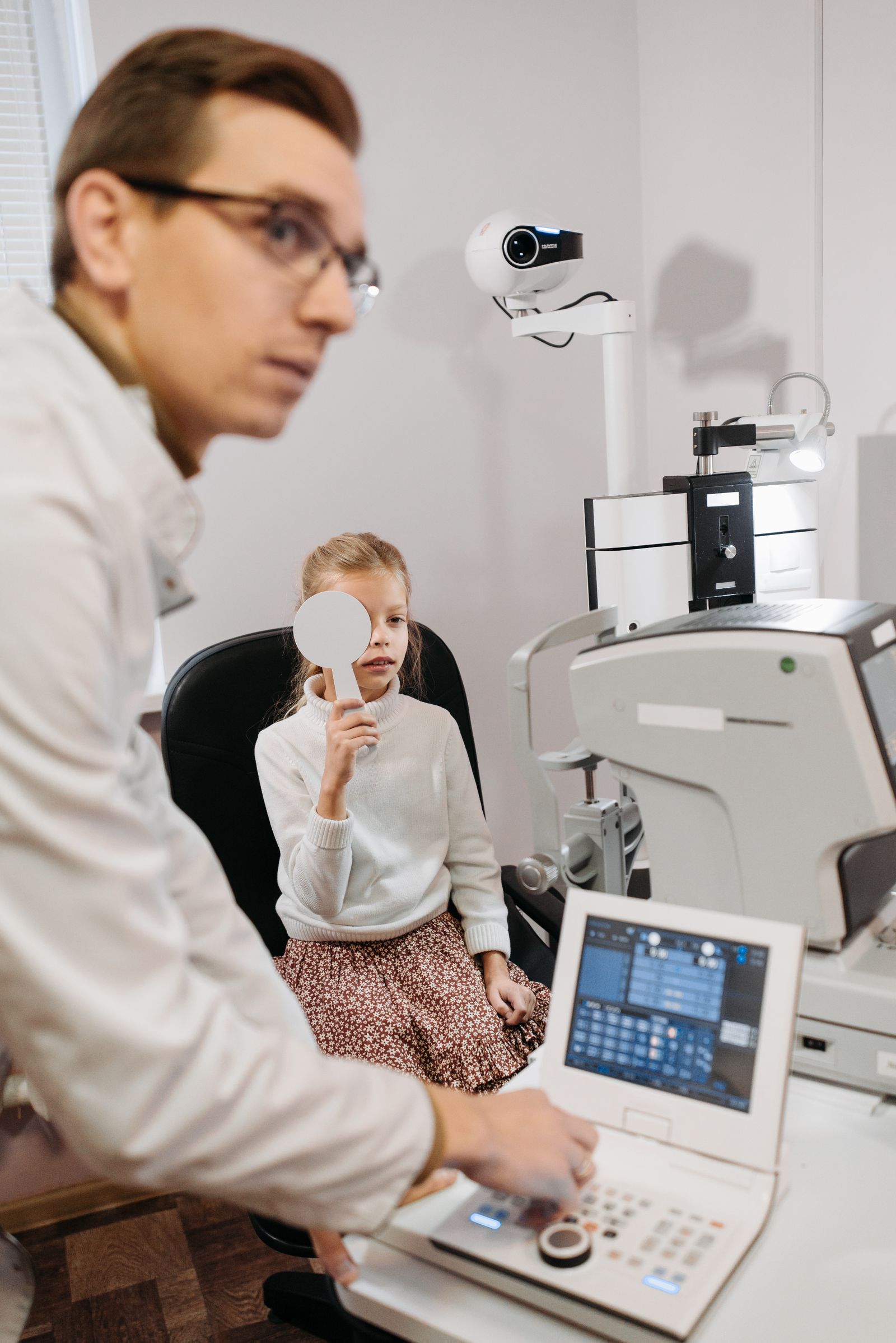
Children should see an eye specialist whenever there are signs that vision, eye alignment, eye comfort or visual development may not be progressing normally. Because many children cannot clearly explain what they are experiencing, parents often notice the first clues through behaviour, school performance or visible eye changes.
- Frequent squinting or closing one eye
- Sitting too close to screens or books
- Holding reading material unusually close
- Difficulty seeing the board at school
- Frequent headaches or eye strain
- Rubbing the eyes repeatedly
- One eye turning inward, outward, upward or downward
- Poor eye coordination
- Difficulty following moving objects
- Delayed visual response in babies
- White or unusual reflection in the pupil
- Persistent watering or discharge
- Recurrent redness or eye irritation
- Drooping eyelids
- Sensitivity to light
- Difficulty reading or losing place while reading
- Poor depth perception
- Sudden drop in school performance linked with visual tasks
- Family history of childhood eye disease, squint or strong refractive error
- Premature birth or other conditions that increase the risk of eye problems
Common Eye Problems in Children
Children can develop several eye conditions that affect clarity of vision, eye alignment, focusing or normal visual development. Some problems are easy to notice, while others may remain hidden unless the child has a proper eye examination.
Refractive Errors
Refractive errors occur when the eye does not focus light correctly. The main types are myopia, hyperopia and astigmatism. Children may complain of blurred vision, headaches, eye strain or difficulty seeing the classroom board. Glasses are often the first line of correction.
Squint or Strabismus
Squint occurs when the eyes are not properly aligned and may turn inward, outward, upward or downward. If untreated, it can affect binocular vision and may lead to lazy eye in some children.
Lazy Eye or Amblyopia
Amblyopia develops when one eye does not achieve normal vision during childhood, often because of squint, unequal spectacle power, cataract or another condition that blocks clear vision. Early treatment is especially important.
Childhood Cataract
A cataract can sometimes be present at birth or develop during childhood. Clouding of the natural lens can prevent clear images from reaching the retina and interfere with normal visual development.
Paediatric Glaucoma
Childhood glaucoma can occur when pressure inside the eye damages the optic nerve. Symptoms may include excessive watering, light sensitivity, cloudy cornea or an enlarged looking eye in younger children.
Blocked Tear Duct
Babies with a blocked tear duct may have persistent watering, sticky discharge or recurrent crusting around the eye. Many cases improve naturally, while persistent blockage may need further treatment.
Eye Allergies
Children with eye allergies may experience itching, redness, watering, swelling or repeated eye rubbing. Ongoing rubbing can make symptoms worse and should be addressed properly.
Myopia Progression
Short sightedness can increase as a child grows. Regular eye examinations help track changes in spectacle power and identify children who may need closer monitoring or myopia control strategies.
Eye Infections
Conjunctivitis and other eye infections can cause redness, discharge, swelling, irritation or discomfort. Recurrent or severe infections should be evaluated to identify the underlying cause.
Congenital Eye Conditions
Some children are born with structural or developmental eye problems affecting the eyelids, cornea, lens, retina, optic nerve or eye movement. Early specialist assessment can be important for future visual development.
Retinopathy of Prematurity
Premature babies can develop abnormal retinal blood vessel growth, known as Retinopathy of Prematurity or ROP. High risk premature infants require timely retinal screening because severe ROP can threaten vision.
Digital Eye Strain
Long periods of screen use may contribute to tired eyes, dryness, headaches, blurred vision or difficulty shifting focus. Healthy screen habits and appropriate refractive correction can help reduce discomfort.
How We Choose the Right Treatment for Your Child
Every child’s eyes develop differently, so treatment should never be based on age or symptoms alone. The right plan depends on the exact eye condition, visual development, eye alignment, refractive error, severity of the problem and how both eyes are working together. At Viaan Eye & Retina Centre, treatment is planned after a detailed paediatric eye evaluation and is adjusted as the child grows.
Know the Exact Cause
Before treatment begins the first step is to identify what is affecting the child’s vision. Similar symptoms can have very different causes.
For example, blurred vision may result from:
- Myopia
- Hyperopia
- Astigmatism
- Amblyopia
- Squint
- Cataract
- Corneal problems
- Retinal or optic nerve conditions
Finding the underlying cause helps avoid unnecessary treatment and allows the correct problem to be addressed early.
Age and Stage of Visual Development
A child’s age plays an important role in treatment planning because the visual system continues developing during childhood.
Conditions such as lazy eye, squint or childhood cataract may require early treatment because prolonged poor visual input can affect how the brain learns to see.
The younger the child the more closely visual development usually needs to be monitored.
Refractive Error and Spectacle Power
Cycloplegic refraction may be performed to measure the child’s true spectacle power by temporarily relaxing the eye’s focusing muscles.
Depending on the findings, treatment may include:
- Glasses
- Contact lenses in selected cases
- Regular monitoring
- Myopia control strategies
The prescription is selected according to the child’s age, refractive error, visual needs and whether both eyes have similar or different powers.
Eye Alignment and Squint Assessment
If the eyes are not aligned properly the specialist evaluates:
- Direction of the squint
- Frequency of eye deviation
- Amount of deviation
- Eye movement
- Binocular vision
- Depth perception
- Vision in each eye
Some children may improve with glasses or other non surgical treatment, while others may require squint surgery to improve alignment.
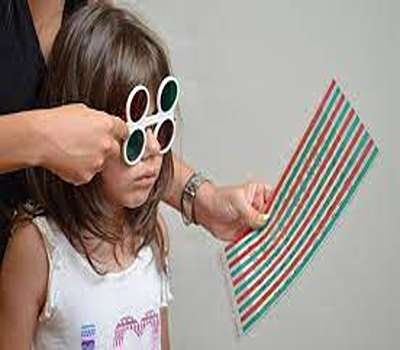
Checking for Lazy Eye
Amblyopia develops when the brain begins favouring one eye over the other.
Treatment depends on the cause and may involve:
- Corrective glasses
- Patching the stronger eye
- Atropine penalisation in selected cases
- Treatment of the underlying squint
- Removal of a visual obstruction such as cataract
The treatment plan is adjusted according to how the weaker eye responds over time.
Eye Health Beyond Vision Testing
A child may have good spectacle corrected vision but still have an underlying eye condition. The cornea, lens, retina, optic nerve and eye pressure may therefore be examined when required.
This is particularly important in children with:
- Congenital eye conditions
- Childhood glaucoma
- Cataract
- Previous eye surgery
- Premature birth
- Eye trauma
- Family history of serious eye disease
Treating the Cause, Not Just the Symptom
The goal is not simply to improve the number on the vision chart. Treatment should address the reason the problem developed.
For example:
1. Myopia may require glasses and progression monitoring.
2. Amblyopia may need glasses plus patching.
3. Squint may require glasses, observation, exercises in selected cases or surgery.
4. Blocked tear ducts may improve naturally in infancy or require further treatment when persistent.
5. Childhood cataract or glaucoma may need surgical management depending on severity.
Considering the Child’s Daily Life
Treatment should also work practically for the child and family.
The specialist may consider:
- School activities
- Reading requirements
- Screen use
- Sports
- Ability to wear glasses or patches
- Comfort and cooperation
- Family routine
- Previous treatment response
A treatment plan that cannot be followed consistently may not produce the intended result, so parental guidance and realistic planning are important.
Monitoring Progress Over Time
Children’s eyes change as they grow. Spectacle power, eye alignment, focusing ability and visual development may all change over time.
Follow up visits help assess:
- Whether vision is improving
- Changes in spectacle power
- Progress of amblyopia treatment
- Eye alignment
- Myopia progression
- Eye pressure where relevant
- Overall eye development
Treatment can then be adjusted as the child grows.
When Surgery May Be Needed
Surgery is considered when a structural eye problem cannot be corrected adequately with glasses, medicines or other conservative treatments.
Examples may include:
- Significant squint
- Childhood cataract
- Paediatric glaucoma
- Persistent blocked tear ducts
- Certain eyelid conditions
- Congenital structural abnormalities
The timing of surgery is carefully planned because visual development may depend on how early the problem is treated.
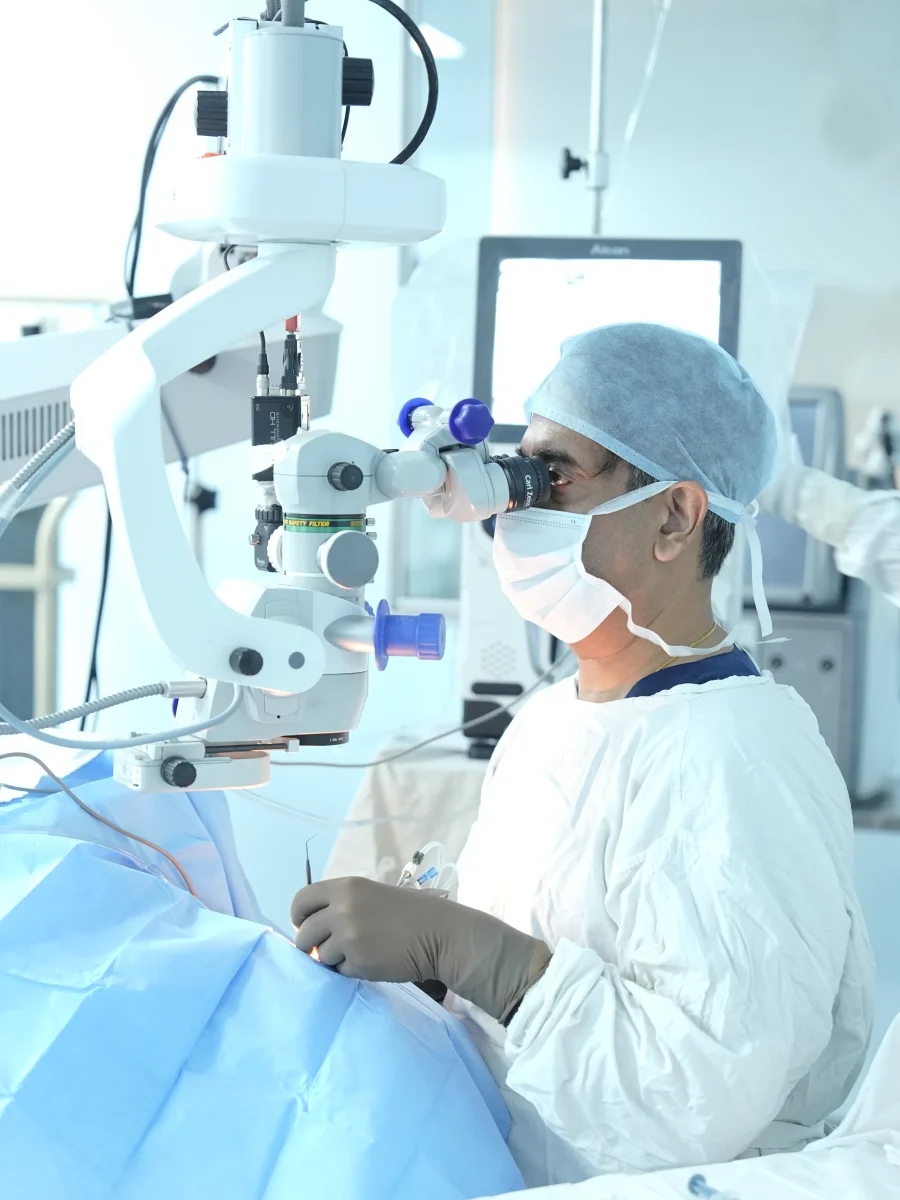
When Paediatric Eye Surgery May Be Needed
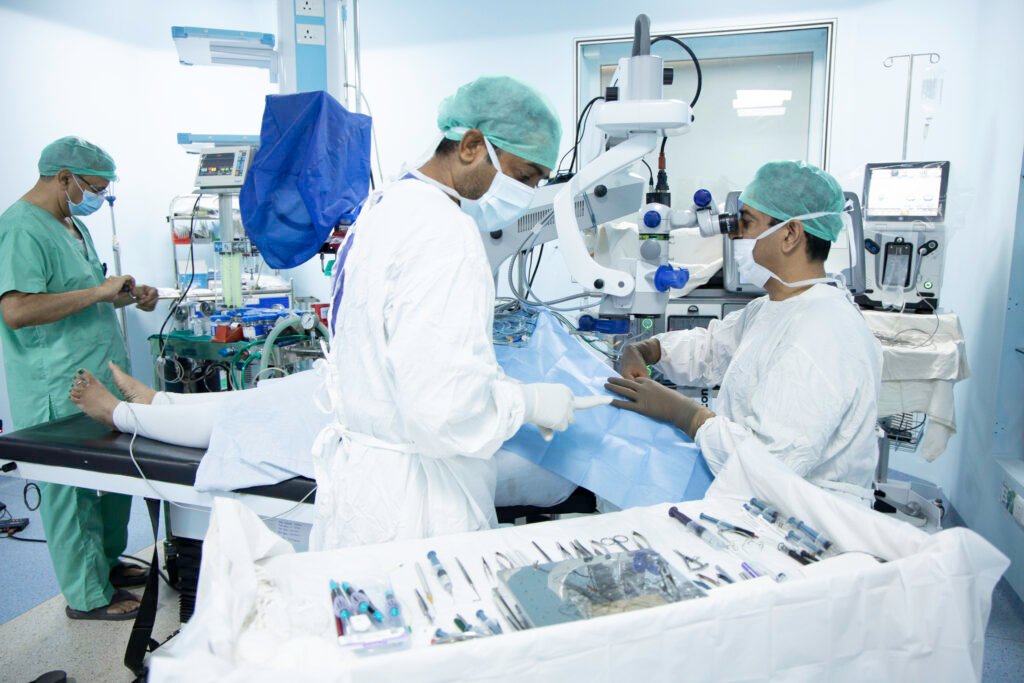
Most childhood eye problems can be managed with glasses, patching, medicines, monitoring or other non surgical treatments. However, surgery may become necessary when a structural eye problem affects vision, eye alignment, eye pressure, tear drainage or normal visual development.
Because a child’s visual system is still developing the timing of surgery can be especially important. In some conditions, delaying treatment may increase the risk of permanent visual problems.
Childhood Cataract
A cataract can be present at birth or develop later in childhood. When the cloudy lens blocks clear vision the brain may not receive the visual input it needs to develop normally.
Surgery may be advised when the cataract:
- Significantly blocks vision
- Affects the visual axis
- Causes poor visual development
- Contributes to lazy eye
- Is present in both eyes and limits daily vision
The cloudy lens is removed and vision may later be corrected with an intraocular lens, contact lens or glasses depending on the child’s age and condition.
Squint or Strabismus
Some children with squint improve with glasses, patching or treatment of an underlying refractive error. Surgery may be considered when the eyes remain significantly misaligned.
During squint surgery the position or tension of selected eye muscles is adjusted to improve alignment.
Surgery may help with:
- Eye alignment
- Binocular function in suitable cases
- Head posture caused by eye misalignment
- Facial symmetry
Treatment for amblyopia may still be needed before or after surgery.
Paediatric Glaucoma
Childhood glaucoma can damage the optic nerve when pressure inside the eye becomes too high. In many cases, surgery plays an important role because eye drops alone may not provide adequate long term pressure control.
Depending on the type of glaucoma, surgery may aim to:
- Improve fluid drainage
- Reduce intraocular pressure
- Protect the optic nerve
- Preserve remaining vision
Children with glaucoma usually need long term monitoring even after successful surgery.
Persistent Blocked Tear Duct
Blocked tear ducts are common in babies and often improve naturally during infancy.
If watering, discharge or recurrent infections continue, a procedure may be considered. Treatment can include:
- Tear duct probing
- Irrigation
- Silicone tube placement
- More advanced tear drainage surgery in selected older children
The procedure chosen depends on the child’s age and the location of the blockage.
Drooping Eyelid or Ptosis
Significant ptosis can block the pupil and interfere with visual development.
Surgery may be recommended when the drooping eyelid:
- Covers the visual axis
- Causes abnormal head posture
- Contributes to astigmatism
- Increases the risk of amblyopia
- Creates significant functional difficulty
The surgical technique depends on how well the eyelid lifting muscle works.
Retinal Conditions
Children with certain retinal conditions may require laser treatment or surgery.
Examples include:
- Advanced Retinopathy of Prematurity
- Retinal detachment
- Vitreous bleeding
- Retinal tears
- Certain congenital retinal disorders
These conditions often require highly specialised retinal evaluation and treatment.
Congenital Eye Abnormalities
Some children are born with structural abnormalities involving the cornea, lens, eyelids orbit or other parts of the eye.
Surgery may be required when the condition affects:
- Vision development
- Eye protection
- Eye position
- Appearance
- Normal growth of the eye or surrounding structures
Treatment may involve several stages as the child grows.
Eye Injuries
Serious eye injuries can damage the cornea, lens, retina, eyelid or deeper structures of the eye.
Emergency or planned surgery may be required to:
- Repair damaged tissues
- Remove foreign material
- Treat traumatic cataract
- Repair retinal damage
- Restore eyelid structure
- Protect remaining vision
How the Decision for Surgery Is Made
Paediatric eye surgery is recommended only after considering the child’s:
- Age
- Diagnosis
- Vision in each eye
- Stage of visual development
- Severity of the condition
- Eye alignment
- Eye pressure
- Overall eye health
- Response to previous treatment
- Risk of permanent vision loss if treatment is delayed
Eye Care for Premature and High Risk Babies
Babies born prematurely can have special eye care needs because the retina and its blood vessels may still be developing at birth. Some premature or medically fragile newborns are at risk of Retinopathy of Prematurity (ROP), a condition in which retinal blood vessels develop abnormally. In mild cases, ROP may settle without treatment but advanced disease can threaten vision if it is not detected and managed at the right time.
Why Premature Babies Need Retinal Screening
The blood vessels of the retina normally continue developing during the later stages of pregnancy. When a baby is born early, this development continues outside the womb and may sometimes become abnormal.
The risk of ROP is influenced by factors such as:
- Premature birth
- Low birth weight
- Very early gestational age
- Prolonged neonatal intensive care
- Oxygen therapy
- Respiratory problems
- Severe neonatal illness
- Blood transfusions or other medical complications
Not every premature baby develops ROP but babies who meet screening criteria should be examined according to the schedule recommended by the neonatal and ophthalmology teams.
ROP May Develop Without Visible Symptoms
One of the most important things for parents to understand is that early ROP usually cannot be identified simply by looking at the baby's eyes.
The baby may appear completely normal while changes are developing inside the retina. This is why scheduled retinal examinations are essential for babies considered at risk.
What Happens During an ROP Examination
During screening the baby's pupils are dilated with eye drops so the retina can be examined carefully.
The ophthalmologist assesses:
- Development of retinal blood vessels
- Area of the retina involved
- Location of abnormal changes
- Severity or stage of ROP
- Presence of abnormal vessel activity
- Whether the disease is improving or progressing
The findings determine when the next examination should take place.
Why Follow Up Timing Matters
ROP can change over a relatively short period, so follow up appointments should not be missed.
Some babies may need only a few examinations until retinal blood vessel development is complete. Others may require closer monitoring if abnormal changes are detected.
The frequency of follow up depends on the baby's retinal findings rather than following the same schedule for every child.
When ROP Treatment May Be Needed
Many mild cases can be monitored without intervention. Treatment may be recommended when the abnormal retinal changes reach a stage where the risk to vision becomes significant.
Depending on the individual case, treatment may include:
- Retinal laser treatment
- Intravitreal anti VEGF injections
- Vitrectomy or other retinal surgery in advanced disease
The treatment choice depends on the location and severity of ROP the baby's overall condition and the retina specialist's assessment.
Eye Care Continues Beyond ROP Screening
Premature babies may have a higher risk of other vision problems later in childhood, even when severe ROP does not develop.
Long term eye follow up may help identify conditions such as:
- Myopia
- Astigmatism
- Squint
- Lazy eye
- Unequal vision between the eyes
- Other developmental vision problems
Warning Signs Parents Should Never Ignore
Children may not always understand or explain that something is wrong with their vision. Parents should watch for changes in the eyes, visual behaviour, reading habits or everyday activities. Some signs need routine evaluation, while others may require prompt specialist attention.
Choose the Right Eye Treatment for Your Child
Why Choose Viaan Eye and Retina Centre?
- Experienced child specialist eye doctor for growing eyes
- Calm, child friendly examinations that reduce fear and discomfort
- Early screening for squint, lazy eye and weak vision
- Personalised squint eye treatment based on age and eye development
- Clear guidance for parents at every stage of care
- Regular follow ups to track vision, alignment and improvement
Does Your Child Need an Eye Check?
Children may not always explain that their vision feels different. A timely visit to a child eye specialist in Gurgaon can help identify concerns early.
A Clearer Future Begins with Early Eye Care
Every child responds differently during an eye check, so we keep the process gentle, simple and suited to their age.
1. A Comfortable First Check: We begin with an age appropriate eye examination to check vision, eye movement, alignment, focusing ability and overall eye health.
2. Understanding What Is Wrong: The child specialist eye doctor explains whether the concern is linked to weak eyesight, lazy eye, squint or another childhood eye condition.
3. Care Planned Around Your Child: Our most experienced child eye specialist in Gurgaon recommends a treatment plan based on your child’s age, symptoms, comfort and stage of visual development.
4. Starting the Right Treatment: Treatment may involve glasses, patching, exercises, medicines or squint eye treatment. Early squint eye treatment for babies may help support healthy vision development.
5. Keeping Track of Progress: Regular follow ups help us monitor eyesight and eye alignment, while making changes to the treatment as your child grows.
Give Your Child’s Vision the Care It Deserves
Noticed squint, frequent eye rubbing or trouble seeing clearly? Speak with a child eye specialist in Gurgaon and understand what your child’s eyes need.
- Gentle Eye Examinations
- Experienced Child Eye Care
- Treatment Planned for Your Child
- Careful Follow Up as They Grow
Frequently Asked Questions
1. When should I take my child for an eye check up?
Book an appointment if your child squints, rubs their eyes often, sits close to screens, complains of headaches or struggles to read clearly at school.
2. What does a child specialist eye doctor check?
A child specialist eye doctor checks vision, eye alignment, focusing ability, lazy eye, squint, colour vision and overall eye health using age appropriate tests during childhood.
3. What options are available for squint eye treatment?
Squint eye treatment may include glasses, patching, exercises or surgery, depending on the cause, severity, age and how well both eyes work together over time.
4. When should squint eye treatment for babies begin?
Squint eye treatment for babies should begin early because timely care can support visual development, improve alignment and reduce the risk of lazy eye later.
5. How should I choose a child eye specialist in Gurgaon?
Choose a child eye specialist in Gurgaon who offers gentle examinations, clear parent guidance, experience with paediatric conditions and regular follow up care as needed regularly.