
What Is an Ocular Prosthesis?
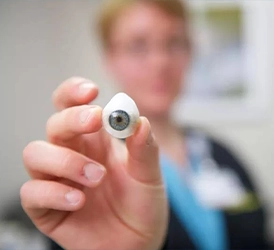
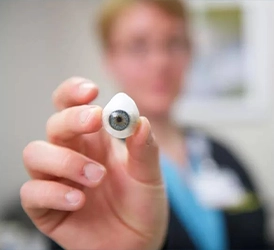
An ocular prosthesis is a specially designed artificial eye used to restore the natural appearance of the eye area after loss, shrinkage, injury, surgery or severe damage to the eye. It does not restore vision but it can improve facial symmetry, comfort and confidence. Depending on the condition of the eye socket, patients may be fitted with a custom made prosthetic eye, scleral shell or stock shell. A well fitted prosthesis is shaped to sit comfortably within the socket and is carefully matched to the colour, size and appearance of the natural eye for a more realistic result.
Who May Need an Artificial Eye?
An artificial eye may be recommended when an eye is missing, severely damaged, shrunken or no longer has a natural appearance. The goal is primarily to restore facial symmetry, improve comfort, protect the eye socket and provide a more natural appearance. The type of prosthesis depends on the condition of the remaining eye and socket.
An ocular prosthesis may be suitable for people who have:
Conditions That May Require Ocular Prosthetic Care
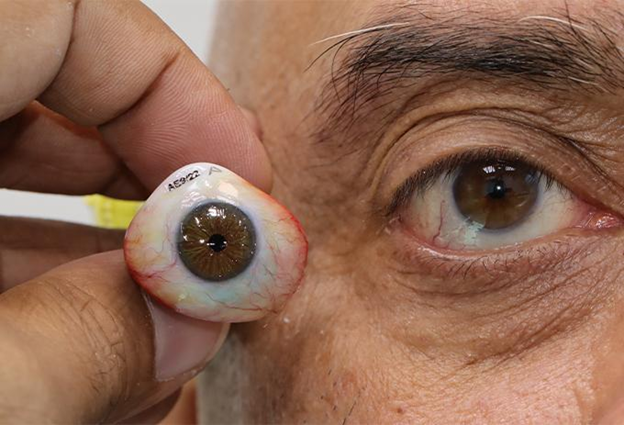
Ocular prosthetic care may be recommended when an eye is absent, severely damaged, shrunken, disfigured or has been surgically removed. The purpose is not to restore eyesight but to improve appearance, maintain the shape of the eye socket, support facial symmetry and improve comfort and confidence. The type of prosthesis such as a custom artificial eye or scleral shell is selected after examining the remaining eye, eyelids, socket tissues and any existing orbital implant.

Types of Ocular Prostheses Available At Viaan Eye and Retina Centre
Ocular prostheses are not one size fits all. The right option depends on the condition of the eye the amount of socket space available, previous surgery, age, comfort and the level of cosmetic matching required. At Viaan Eye & Retina Centre the main prosthetic options include scleral shells, stock shells and custom made ocular prostheses.
Scleral Shell Prosthesis
A scleral shell is a thin prosthetic covering placed over an existing eye that has become shrunken, disfigured or cosmetically irregular but remains in the socket.
It is generally considered when the eye has little or no visual potential but has not been surgically removed. The shell is designed to cover the abnormal appearance of the eye and create a more natural look.
At Viaan, scleral shells are described as thin transparent prostheses with a centrally painted area that resembles the cornea and iris. They may be suitable for selected patients with a minimally shrunken eye or dense corneal opacity.
Stock Eye Shells
Stock shells are ready made acrylic prostheses available in standard shapes, sizes and colours.
They may be used when a quick or temporary prosthetic solution is needed or in selected patients where custom fabrication is not immediately possible.
Viaan notes that stock shells may be used in:
- Moderately shrunken eyes
- Newborns or children with anophthalmia
- Children with microphthalmia
- Selected patients requiring an initial prosthetic fit
Because stock prostheses are pre manufactured the colour, size and contour may not match the natural eye as precisely as a custom made prosthesis.
Custom Made Ocular Prosthesis
A custom made ocular prosthesis is individually created to match the patient's eye socket, eyelid position, facial symmetry, iris colour, scleral shade and overall appearance.
An impression of the socket is taken so the prosthesis can be shaped according to the individual anatomy. The iris and surrounding details are then carefully matched to the natural eye.
Compared with a standard stock shell, a customised prosthesis can provide:
- Better socket fit
- Improved comfort
- More balanced eyelid support
- Closer iris colour matching
- Better facial symmetry
- A more natural overall appearance
Viaan describes its custom prostheses as being made from high quality acrylic and hand painted to closely match the opposite eye.
Prosthesis Over an Orbital Implant
When an eye has been surgically removed, an orbital implant may be placed inside the socket to restore lost volume.
After the tissues have healed the visible ocular prosthesis is fitted over the implant and sits behind the eyelids. The implant provides internal volume and support, while the external prosthesis creates the appearance of the eye.
The amount of prosthetic movement can vary depending on the implant, socket condition and previous surgery.
Prosthetic Eye After Socket Reconstruction
Some patients cannot be fitted immediately because the socket may have become contracted, scarred, shallow or distorted after trauma, previous surgery or long term prosthesis use.
In these cases, socket reconstruction may be required first. Once the socket has healed and provides adequate space and support, a custom prosthesis can be designed and fitted.
Ocular Prostheses for Children
Children born with anophthalmia or microphthalmia may require specialised prosthetic care from an early age.
The objective is not only cosmetic. Carefully planned prosthetic devices can also help support the development of the socket and surrounding facial structures as the child grows.
Because facial and orbital anatomy changes throughout childhood, regular reviews, resizing or replacement may be required.
Which Type Is Right for You?
The most suitable prosthesis depends on:
- Whether the natural eye is present
- Condition and size of the remaining eye
- Eye socket depth and shape
- Eyelid position
- Previous eye surgery
- Presence of an orbital implant
- Amount of scarring or socket contraction
- Age of the patient
- Cosmetic expectations
- Comfort and movement requirements
What Happens During Artificial Eye Fitting
Artificial eye fitting is a personalised process designed to achieve the best possible fit, comfort, eyelid support, symmetry and natural appearance. The exact steps can vary depending on whether the natural eye is still present the condition of the socket and whether the patient needs a scleral shell or a full ocular prosthesis.
1. Eye Socket and Eyelid Assessment
The process begins with a careful examination of the eye socket, eyelids, surrounding tissues and any previous surgery or orbital implant. The specialist checks socket depth, movement, scarring, discharge, inflammation and overall tissue health before planning the prosthesis.
2. Socket Impression
For a custom made prosthesis, an impression of the eye socket may be taken using a suitable impression material. This records the unique shape and contours of the socket so the prosthesis can be designed for a more accurate fit.
3. Shape and Size Trial
A temporary mould or trial shape may be placed in the socket to assess volume, eyelid position, comfort, movement and facial symmetry. Adjustments are made until the shape sits comfortably and looks balanced with the opposite eye.
4. Iris Position and Colour Matching
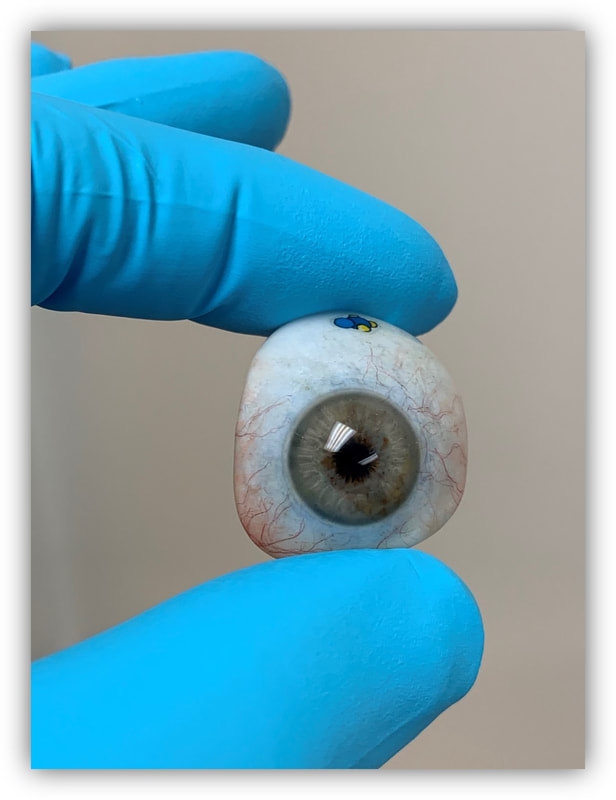
The position, size and colour of the iris are matched carefully with the natural eye. Details such as pupil size, scleral shade and visible blood vessel patterns may also be recreated to achieve a more realistic appearance.
5. Custom Fabrication
The final ocular prosthesis is created using medical grade acrylic or another suitable prosthetic material. It is shaped, polished and finished according to the measurements and visual characteristics recorded during the fitting process.
6. Final Fitting and Alignment
Once ready the prosthesis is placed inside the socket and checked for comfort, eyelid closure, alignment, movement and overall appearance. Minor adjustments may be made to improve the fit.
7. Care and Handling Guidance
Patients are shown how to insert, remove, clean and care for the prosthesis. Instructions are also provided on hygiene, lubrication and when professional polishing or review may be required.
8. Follow Up and Adjustments
The socket and prosthesis are reviewed after fitting to ensure continued comfort and stability. Over time, changes in the socket or surrounding tissues may require polishing, adjustment, refitting or replacement.
Can an Artificial Eye Restore Vision?
No. An artificial eye or ocular prosthesis, is designed to restore appearance, symmetry and comfort but it cannot restore eyesight in an eye that has been removed or permanently lost vision.
The prosthesis sits within the eye socket and is carefully shaped and coloured to resemble the natural eye. Its purpose is mainly cosmetic and supportive. It can help maintain the contour of the eyelids and surrounding tissues, improve facial balance and help patients feel more comfortable with their appearance.
In some cases the prosthesis may move slightly with the socket tissues or underlying implant, creating a more natural look. However, this movement should not be confused with visual function.
Vision continues to depend entirely on the healthy eye. For this reason, patients with an ocular prosthesis should protect the seeing eye carefully, attend regular eye examinations and use protective eyewear when appropriate.
At Viaan Eye & Retina Centre, ocular prosthetic care focuses on achieving a natural appearance while also supporting long term socket health and protecting the vision of the remaining eye.
Common Problems With an Ocular Prosthesis
An ocular prosthesis is designed for long term comfort and appearance but changes in the eye socket, eyelids, tear film or prosthesis surface can sometimes cause problems. Regular review helps identify these issues early and maintain a comfortable fit.
Personalised Solutions for Eye Restoration and Rehabilitation
Why Choose Viaan Eye and Retina Centre?
Could an Artificial Eye Be Right for You?
A detailed examination helps determine whether an artificial eye implant, customised prosthesis or artificial eye implant surgery is suitable for your condition and eye socket.
Personalised Care Through Every Stage of Artificial Eye Treatment
We guide you through every stage with sensitivity, clear explanations and care focused on comfort, healing, facial balance and confidence.
1. First Consultation: We listen to your concerns, review your medical history and understand how the eye condition, injury or previous surgery has affected your daily life.
2. Eye Socket Assessment: The doctor carefully examines the eye socket, surrounding tissues, eyelids and healing. This helps determine whether an artificial eye implant or prosthetic fitting is suitable.
3. Personalised Treatment Plan: Your treatment is planned around your needs. It may include socket preparation, artificial eye implant surgery, reconstruction or direct fitting after proper healing.
4. Custom Prosthetic Fitting: After the socket has healed, measurements are taken to create an artificial eye that closely matches the size, shape and colour of your natural eye.
5. Aftercare and Follow Ups: Regular visits after artificial eye surgery help check healing, comfort, movement and fit. Adjustments, cleaning or polishing may be advised when required.
Ready to Feel More Comfortable and Confident Again?
Get thoughtful support for artificial eye surgery, customised prosthetic fitting and aftercare designed around your comfort, appearance and everyday needs.
Frequently Asked Questions
1. What is an artificial eye implant?
An artificial eye implant is placed inside the eye socket to restore lost volume and support a customised prosthetic eye after healing.
2. Who may need artificial eye implant surgery?
Artificial eye implant surgery may be considered after severe injury, disease or removal of a damaged eye, depending on the socket’s condition and overall health.
3. Can an artificial eye restore vision?
No. An artificial eye does not bring back lost vision. Its purpose is to improve facial balance, appearance, comfort and confidence.
4. How is an artificial eye made to look natural?
The prosthesis is shaped and coloured to match the natural eye closely, including its size, iris shade, position and surrounding facial features.
5. What happens after artificial eye surgery?
After artificial eye surgery, follow up visits help monitor healing, comfort, movement and fit. Cleaning, polishing or adjustment may be advised over time.