

Clearer Vision Begins with a Healthier Cornea
At Viaan Eye & Retina Centre, advanced diagnostics and specialist corneal care help manage keratoconus, infections, scars, dry eye and other corneal conditions with precision.

Why Corneal Health Is Important
The cornea is the clear, dome shaped surface at the front of the eye and plays a major role in focusing light accurately onto the retina. Even small changes in its shape, clarity or strength can affect how clearly you see. Conditions such as keratoconus, corneal infections, scars, dry eye or recurrent erosions can lead to blurred vision, glare, discomfort, light sensitivity or distortion.
Because the cornea has no blood vessels, it relies on tears and surrounding tissues to remain healthy and transparent. When its surface becomes irregular or damaged, vision quality can drop quickly. Early diagnosis is especially important in progressive conditions like keratoconus, where timely treatment may help slow further weakening of the cornea.
At Viaan Eye & Retina Centre, careful corneal evaluation helps identify structural changes early, guide the right treatment and protect long term vision.
When Should You See a Cornea Specialist?
You should consider seeing a cornea specialist when symptoms suggest that the clear front surface of the eye may be irritated, infected, weakened, scarred or changing in shape. Early assessment can be especially important when symptoms are persistent or vision is starting to change.
Persistent Blurred or Distorted Vision
Persistent blurred or distorted vision
Light Sensitivity
Increasing sensitivity to light
Eye Discomfort
Recurrent eye pain or discomfort
Redness or Irritation
Ongoing redness or irritation
Dryness or Watering
Frequent watering or excessive dryness
Corneal Changes
Progressive thinning or bulging of the cornea
Common Corneal Conditions We Treat
The cornea must remain clear, smooth and structurally stable for light to enter the eye properly. Infection, inflammation, dryness, scarring or progressive changes in corneal shape can therefore affect both vision and comfort. At Viaan Eye & Retina Centre, corneal care includes evaluation and treatment of infections, keratoconus, corneal scars, dry eye disease, corneal surface damage and other conditions affecting corneal clarity and stability.
Keratoconus
Keratoconus is a progressive condition in which the normally rounded cornea becomes thinner and gradually develops a cone like shape.
Keratitis and Corneal Infections
Keratitis refers to inflammation of the cornea and may occur with corneal infection.
Corneal Scarring
A corneal scar may develop following an infection, injury, inflammation or previous eye condition.
Dry Eye and Ocular Surface Disease
Dry eye develops when the eye does not produce enough tears or when the tear film cannot adequately protect and lubricate the surface.
Corneal Erosion
Corneal erosion occurs when the surface layer of the cornea is damaged or disrupted.
Progressive Corneal Thinning
Structural weakening of the cornea can cause progressive thinning and distortion of its normal shape.
Keratoconus and Progressive Corneal Thinning
Keratoconus is a condition in which the cornea gradually becomes thinner, weaker and more irregular in shape. Instead of maintaining a smooth, rounded surface the cornea begins to bulge forward into a cone like shape. As this happens, light enters the eye unevenly and may no longer focus properly on the retina.
The condition can cause:
- Blurred or distorted vision
- Increasing astigmatism
- Frequent changes in spectacle power
- Glare and halos around lights
- Light sensitivity
- Difficulty seeing clearly at night
- Reduced quality of vision even with glasses

How We Diagnose Keratoconus
Keratoconus cannot be diagnosed from spectacle power alone. Because the condition changes the shape, curvature and thickness of the cornea, diagnosis requires a detailed corneal evaluation. At Viaan Eye & Retina Centre the aim is not only to confirm whether keratoconus is present but also to understand its severity and determine whether the cornea is stable or continuing to change.
Detailed Vision and Prescription Assessment
- Increasing astigmatism
- Frequent change in spectacle prescription
- Reduced vision despite updated glasses
- Irregular refractive error
- Significant difference between the two eyes
Corneal Topography
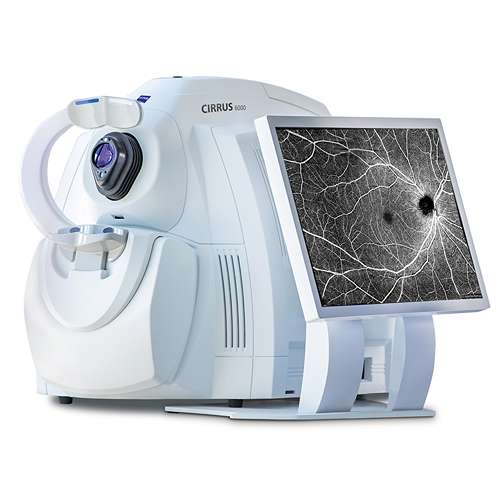
Corneal topography is one of the most important investigations for keratoconus. It creates a detailed map of the corneal surface and shows how steep or irregular different areas have become.
Corneal Tomography
Where available, corneal tomography provides a deeper three dimensional assessment of the cornea.
Pachymetry
Pachymetry measures corneal thickness. This is especially important because progressive thinning is one of the characteristic changes seen in keratoconus.
Keratometry
Keratometry measures the curvature of the cornea. Increasing or irregular steepness may provide additional evidence of corneal distortion.
Slit Lamp Examination
The cornea is examined under magnification to look for visible structural changes that may occur as keratoconus progresses.
How C3R / CXL Strengthens the Cornea
Corneal Collagen Cross Linking (CXL), also called C3R, is a treatment designed to strengthen a weak or progressively thinning cornea, particularly in conditions such as keratoconus. Rather than reshaping the cornea like LASIK, cross linking focuses on improving the biomechanical stability of the corneal tissue and reducing the risk of further bulging.
Specialised Contact Lenses for Keratoconus
In keratoconus the cornea becomes irregular in shape, which means ordinary glasses or standard soft contact lenses may not always provide clear and stable vision. Specialised contact lenses are designed to create a smoother optical surface over the irregular cornea, helping improve visual quality without changing the corneal structure itself.
Rigid Gas Permeable Lenses
Rigid gas permeable or RGP lenses, maintain their own shape instead of following the irregular surface of the cornea.
Scleral Lenses
Scleral lenses are larger diameter lenses that rest on the white part of the eye or sclera, rather than directly on the irregular cornea.
Hybrid Contact Lenses
Hybrid lenses combine a rigid central zone with a softer outer skirt.
Custom Soft Lenses
Specially designed soft lenses can sometimes be used in mild or selected cases of keratoconus.
Piggyback Lens Systems
In a piggyback system, a soft contact lens is worn underneath a rigid gas permeable lens.
How We Examine the Cornea
A corneal examination looks beyond whether vision is simply clear or blurred. The aim is to understand the shape, thickness, transparency, surface health, tear film and structural strength of the cornea. Different tests may be used depending on symptoms and the suspected condition, particularly in patients with keratoconus, corneal infections, scars, dry eye or progressive corneal thinning.
Visual Acuity and Refraction
The examination usually begins by measuring how clearly each eye sees and checking the spectacle prescription.
Slit Lamp Examination
A slit lamp provides a magnified view of the cornea and surrounding structures.
Corneal Topography
Corneal topography creates a detailed map of the curvature of the front corneal surface.
Corneal Tomography
Tomography provides a more detailed three dimensional assessment of the cornea.

How We Choose the Right Corneal Treatment
Corneal treatment depends on much more than the name of the condition. The specialist considers corneal shape, thickness, clarity, surface health, disease progression, visual impact, age, lifestyle and previous eye treatments before deciding the most appropriate approach. At Viaan Eye & Retina Centre the goal is to treat the underlying problem while preserving corneal strength and achieving the best possible visual outcome.
We First Identify the Exact Corneal Problem
The first step is understanding what is affecting the cornea. Treatment differs significantly between conditions such as:
- Keratoconus
- Corneal infection or keratitis
- Corneal ulcer
- Corneal scarring
- Dry eye disease
- Recurrent corneal erosion
- Corneal dystrophy
- Progressive corneal thinning
- Corneal injury
- Endothelial disease
When Is Corneal Surgery Needed?
Corneal surgery is usually considered when medicines, glasses, contact lenses or less invasive procedures can no longer provide enough improvement or when the cornea becomes structurally unstable, severely scarred or persistently cloudy. The decision depends on which layer of the cornea is affected, how much vision is reduced and whether the condition is progressing.
Advanced Keratoconus
In early or moderate keratoconus, vision may often be managed with glasses, specialised contact lenses or corneal cross linking.
Severe Corneal Scarring
Dense scars in the central cornea can block or distort light entering the eye.
Corneal Transplantation
A corneal transplant may be considered when diseased or damaged corneal tissue can no longer maintain clear vision.
Persistent Corneal Swelling
When the inner endothelial cells of the cornea stop working properly, fluid can build up and make the cornea cloudy or swollen.
Non Healing Corneal Ulcers
Most corneal ulcers are treated medically but severe infections that do not respond to treatment may damage or thin the cornea significantly.
Corneal Perforation or Severe Thinning
Extreme thinning can put the cornea at risk of rupture.
Different Types of Corneal Transplant
A corneal transplant does not always mean replacing the entire cornea. Modern corneal surgery allows the ophthalmologist to replace only the diseased layer whenever possible, helping preserve healthy tissue and tailor treatment to the underlying condition.
Penetrating Keratoplasty
Penetrating Keratoplasty (PK) is a full thickness corneal transplant.
Deep Anterior Lamellar Keratoplasty
DALK replaces the front and middle layers of the cornea while preserving the patient's own healthy inner endothelial layer.
Descemet Stripping Automated Endothelial Keratoplasty
DSAEK is a partial thickness transplant used when the innermost endothelial layer of the cornea is damaged.
Descemet Membrane Endothelial Keratoplasty
DMEK is an even more selective form of endothelial transplantation.
Therapeutic Corneal Transplant
A transplant may sometimes be performed not primarily to improve vision but to control severe corneal disease or save the structural integrity of the eye.
Tectonic Corneal Transplant
A tectonic transplant is performed mainly to restore the strength and shape of the eye when the cornea has become extremely thin, damaged or perforated.
Signs of Corneal Transplant Rejection
Corneal transplant rejection happens when the body’s immune system begins reacting against the donor corneal tissue. It can occur weeks, months or even years after surgery, which is why patients should remain aware of warning signs even after the eye has healed well.
Redness of the Eye
New or increasing redness, especially if it develops after a previously comfortable period, should be checked promptly.
Sensitivity to Light
A sudden increase in light sensitivity can be a sign that the transplanted cornea is becoming inflamed.
Blurred or Reduced Vision
Vision that becomes unexpectedly hazy, cloudy or less sharp may indicate changes in the transplanted cornea.
Eye Pain or Discomfort
New pain, aching, pressure or persistent discomfort in the operated eye should not be ignored.
Corneal Haze or Cloudiness
The cornea may begin to look less clear if swelling or inflammation develops within the transplanted tissue.
Increasing Watering
Excessive tearing, particularly when accompanied by redness, pain or blurred vision, may need specialist evaluation.
Frequently Asked Questions
Keratoconus cannot usually be cured but progression can often be controlled with treatments such as corneal cross linking, while glasses or specialised lenses improve vision.
The procedure is performed using anaesthetic eye drops. Some discomfort, watering, light sensitivity or irritation may occur afterward while the corneal surface heals.
A transplant may be considered when severe scarring, advanced keratoconus, endothelial failure, infection or structural damage prevents useful vision despite other treatment options.
Recovery varies depending on the transplant type and individual healing. Vision may improve gradually over weeks or months, with regular follow up and prescribed medication required.
Yes. Rejection can occur even long after surgery. New redness, pain, light sensitivity, cloudiness or sudden vision changes should be evaluated promptly.
Expert Corneal Care at Viaan Eye & Retina Centre
Advanced diagnostics, specialist evaluation and personalised corneal treatment focused on protecting long term vision.
Book an Appointment