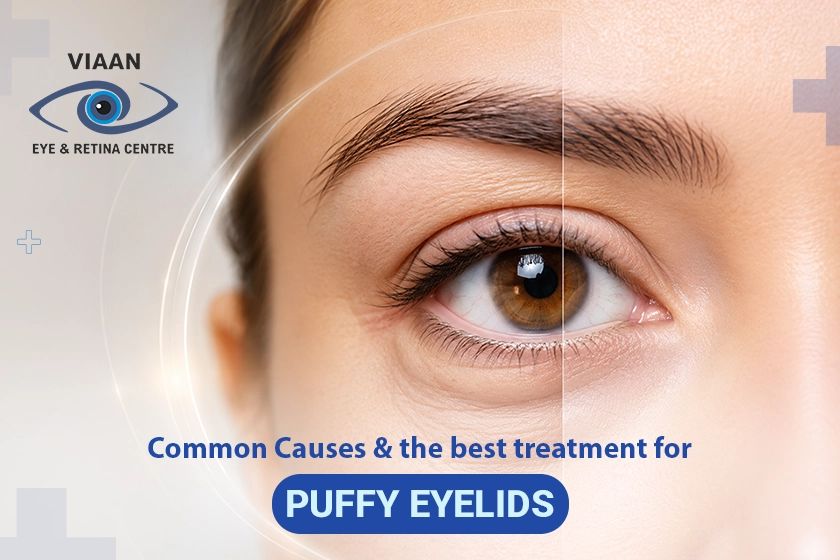
Puffy eyelids are very common. The eyelids may look swollen, heavy or tired. Sometimes the swelling is mild. Sometimes it can be painful. It may happen in one eye or both eyes. It may come in the morning, after crying, after poor sleep or after using a new eye product.
The best treatment for puffy eyelids depends on the reason behind the swelling. Some cases improve with simple home care. Some cases need eye drops or medicine. Some cases need a proper eye check up. So, it is not always good to guess the reason.
It is always better to understand the cause first. This helps in choosing the right care. It also helps in avoiding the wrong treatment. Puffy eyelids may look like a small issue, but sometimes they can be linked to infection, allergy or another eye problem.
What Are Puffy Eyelids?
Puffy eyelids mean swelling around the eyes. The swelling can be on the upper eyelid, lower eyelid or both. The eye area has soft and thin skin. So even small swelling can be seen easily.
The eyelid may feel tight, itchy, red, watery or painful. In some cases the eye may also feel heavy. A person may find it hard to open the eye fully. The eyelid may also feel warm or sore when touched.
The best treatment for puffy eyelids is not the same for everyone. It changes according to the cause. For example, swelling due to sleep loss needs rest and simple care. Swelling due to infection may need medicine. This is why checking the signs properly is important.
Common Causes of Puffy Eyelids
1. Poor Sleep
Poor sleep is a common cause of puffy eyes. When the body does not get enough rest, fluid can collect around the eyes. This can make the eyelids look swollen in the morning.
This kind of swelling is usually mild. It may improve during the day. Good sleep and enough water can help. Sleeping with the head a little raised may also reduce morning puffiness.
Poor sleep can also make the eyes look dull and tired. People who work late at night or use screens for long hours may notice this more often. In most cases, this is not serious. But if swelling keeps coming back even after good sleep, it should be checked.
2. Allergy
Allergy can also cause puffy eyelids. Dust, pollen, pet hair, makeup, eye drops or skincare products can trigger allergy. Some people also get eye allergy during weather changes.
In allergy the eyes may feel itchy, red and watery. Both eyes may swell at the same time. A cold cloth can give relief. If allergy happens often, a doctor may suggest eye drops or medicine.
The best treatment for puffy eyelids caused by allergy is to avoid the trigger. Rubbing the eyes can make swelling worse. It can also make the eyes more red and irritated. Clean hands, clean towels and safe eye products can help reduce allergy problems.
3. Stye
A stye is a small painful lump on the eyelid. It usually forms near the eyelash line. It may look like a small pimple. The eyelid may become red, swollen and sore.
A stye can make the eyelid swollen and painful. A warm cloth can help reduce pain and swelling. Do not press or squeeze a stye. It can make the infection worse.
A stye often happens when an oil gland or hair root near the eyelash gets infected. It can happen due to dirty hands, old makeup or poor eyelid cleaning. Most styes improve with care, but a painful or large stye should be checked by an eye doctor.
4. Chalazion
A chalazion is a small lump on the eyelid. It happens when an oil gland gets blocked. It may be painful in the beginning. Later, it may become painless. It can stay for many days or even weeks.
A warm cloth can help open the blocked gland. If the lump does not go away, an eye doctor should check it. Sometimes a chalazion can grow bigger and press on the eye.
The best treatment for puffy eyelids caused by a chalazion may include warm compress, eyelid cleaning and doctor guided care. It should not be squeezed at home. Pressing it can irritate the eyelid more. If it keeps coming back the doctor may check for other eyelid problems.
5. Blepharitis
Blepharitis means swelling of the eyelid edge. It can make the eyelids red, itchy, dry and crusty. Some people wake up with sticky eyelids. The eyes may also burn or feel gritty.
This condition may come back again and again. Daily eyelid cleaning can help. In some cases, medicine may be needed. Warm compress can also help loosen crusts around the eyelashes.
Blepharitis can happen when oil glands near the eyelashes do not work well. It can also happen with dandruff, dry eyes or skin problems. It is not usually dangerous, but it can be uncomfortable. If it is not managed, it may lead to repeated swelling or irritation.
6. Eye Infection
An eye infection can make the eyelid swollen. The eye may become red, painful, watery or sticky. There may also be yellow or green discharge. Sometimes the eyelids may stick together after sleep.
In this case, home care may not be enough. The best treatment for puffy eyelids caused by infection may include eye drops or ointment given by a doctor.
Eye infection should not be ignored, especially if there is pain or vision change. Do not use someone else’s eye drops. Do not share towels. Wash hands often. If the infection spreads, swelling can become worse and may need urgent treatment.
7. Too Much Salt
Eating too much salty food can also cause puffiness. Salt can make the body hold extra water. This may show around the eyes, especially in the morning.
Drinking enough water and eating less salty food may help. If swelling happens again and again, it is better to get checked. Puffy eyes from salt are usually not painful. The skin may just look swollen or stretched.
Packaged food, chips, pickles and very salty snacks can increase water retention. A simple change in food habits can help many people. But if the whole face or body also swells, a doctor should be consulted.
8. Makeup or Cream Reaction
Some makeup, face creams, sunscreen or eye products can irritate the eyelids. The skin around the eyes is very soft. It can react quickly. Even a product used for a long time can sometimes start causing irritation.
The eyelids may become swollen, red, itchy or dry. Stop using the product that may be causing the reaction. Wash the area gently with clean water.
The best treatment for puffy eyelids caused by product reaction is to avoid the product and let the skin heal. Do not apply many creams at once. This can make the reaction worse. If swelling does not settle, an eye doctor can suggest safe care.
Simple Home Care for Puffy Eyelids
Simple care can help in mild cases. But the care should match the cause. Using the wrong method may not help much. In some cases, it can even increase irritation.
Use a cold cloth if the swelling is due to allergy, tiredness or fluid build up. Take a clean cloth, dip it in cool water and place it on closed eyes for a few minutes.
Use a warm cloth if there is a stye, chalazion or blocked oil gland. Warmth can help soften the blocked oil and reduce swelling.
The best treatment for puffy eyelids at home also includes basic hygiene. Wash your hands before touching your eyes. Do not rub your eyes. Do not use old makeup. Do not share towels. If you wear contact lenses, remove them when the eyes are red or swollen.
Medical Treatment for Puffy Eyelids
Sometimes home care does not work. In such cases, an eye doctor may suggest treatment after checking the eye. The doctor will first look at the eyelid and ask about pain, itching, discharge, allergy and recent product use.
The doctor may give allergy drops, antibiotic drops, ointment or tablets. If there is a blocked gland that does not improve, a small treatment may be needed. If there is dry eye or blepharitis, eyelid cleaning and special drops may be advised.
The best treatment for puffy eyelids should always be based on the cause. Allergy needs different care. Infection needs different care. A stye needs different care. This is why guessing can be risky. Proper treatment can reduce swelling faster and protect the eye.
When Should You See a Doctor?
You should see a doctor if the swelling is painful. You should also see a doctor if it is getting worse or not improving. Swelling that stays for many days should not be ignored.
Do not ignore swelling with redness, discharge, fever, blurred vision or eye pain. You should also get checked if the swelling comes after an eye injury. If the eye is sensitive to light or difficult to open, medical care is needed.
Get urgent care if the eyelid is very swollen the eye is hard to move or vision becomes weak. These signs can be serious.
The best treatment for puffy eyelids in serious cases should come from an eye doctor. Home remedies may not be safe in every condition.
Can Puffy Eyelids Be Prevented?
Many cases can be reduced with simple habits. Sleep well. Drink enough water. Wash your face before bed. Remove makeup properly. Keep pillow covers clean. Avoid rubbing your eyes.
Use clean towels. Do not share eye makeup. Take breaks from screens. If you have allergy, try to avoid the trigger. Keep your hands away from your eyes as much as possible.
If you get puffy eyelids again and again, do not ignore it. Repeated swelling may be a sign of allergy, infection, blocked glands or another eye issue.
The best treatment for puffy eyelids is not only about reducing swelling. It is also about finding the real reason and protecting the eyes. Good daily care can lower the chance of repeated eyelid swelling.
Why Proper Eye Check Up Matters
Eye swelling may look like a small problem, but sometimes it can point to something deeper. A doctor can check the eyelids, eyelashes, tear glands and eye surface. This helps in finding the right cause.
A proper eye check up can show if the swelling is due to allergy, infection, blocked glands, dry eyes or another condition. It also helps avoid wrong treatment. Many people use random eye drops, but that is not always safe.
The best treatment for puffy eyelids can work better when the problem is found on time. Early care can also stop the condition from getting worse. It can also reduce pain, redness and repeated swelling.
Conclusion
Puffy eyelids can happen because of poor sleep, allergy, stye, chalazion, blepharitis, eye infection, salty food or makeup reaction. Some cases improve with simple care. Some cases need medicine or proper eye treatment.
The best treatment for puffy eyelids depends on the real cause, so an eye check up is important when swelling is painful, repeated or linked with vision changes.
For those who are seeking safe care from an eye specialist doctor can visit Viaan Eye and Retina Centre for complete eye and eyelid evaluation.