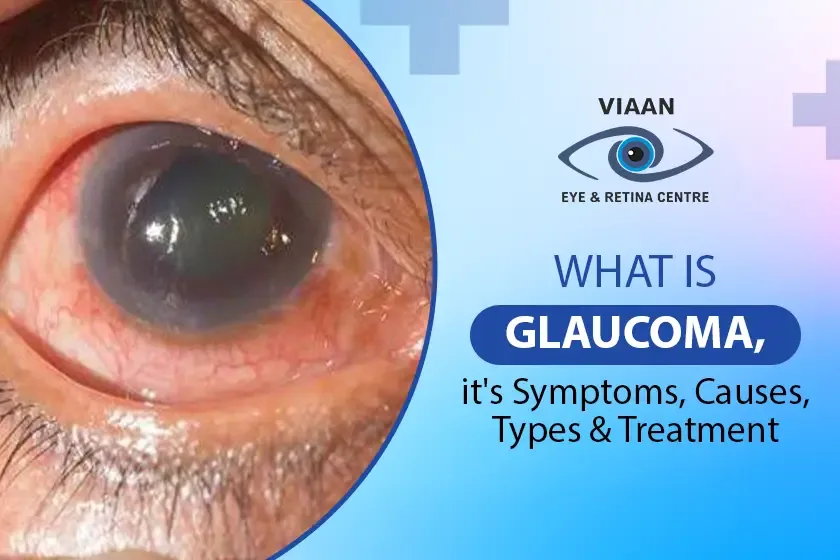
Glaucoma is a group of eye conditions that can damage the optic nerve, which carries visual information from the eye to the brain. The difficult part is that the early signs of glaucoma may be missing completely. A person can feel that their vision is fine while the condition is slowly progressing.
There are several types of glaucoma and they do not all behave in the same way. Some develop slowly, while others can appear suddenly and need urgent medical care.
What Is Glaucoma?
Glaucoma damages the optic nerve. In many cases, increased pressure inside the eye plays a role, although glaucoma can also happen when eye pressure is within a range that appears normal.
One reason the condition can be difficult to notice is that the early signs of glaucoma are often very mild or completely absent.
Different types of glaucoma can affect the eye differently, which is why a proper eye examination matters more than waiting for symptoms.
What Causes Glaucoma?
The eye continuously makes fluid, which normally drains away. When this drainage does not work properly, pressure inside the eye may rise and damage the optic nerve.
However, high eye pressure is not the only factor. Family history, age, previous eye injury, inflammation and certain health conditions may also increase risk.
The exact cause can also vary between the types of glaucoma. Secondary glaucoma, for example, develops because of another eye or medical condition.
What Are the Symptoms?
This is where glaucoma can be tricky.
The early signs of glaucoma may not be noticeable at all, especially with open angle glaucoma. Over time, a person may slowly lose side or peripheral vision.
Possible symptoms can include:
- Gradual loss of side vision.
- Blurry vision in some cases.
- Blind spots in the visual field.
- Halos around lights in certain forms.
- Sudden eye pain and redness in acute angle closure.
- Nausea along with sudden eye symptoms.
Some types of glaucoma can remain quiet for years, so symptoms alone are not a safe way to rule out the disease.
Types of Glaucoma You Should Know About
1. Open Angle Glaucoma
Open angle glaucoma is one of the most common forms.
It usually develops slowly. The drainage angle remains open but fluid does not drain as efficiently as it should.
Because the early signs of glaucoma may be absent, people can lose some peripheral vision before they realise anything is wrong.
Among the types of glaucoma, open angle glaucoma often requires long term monitoring and treatment to protect remaining vision.
2. Angle Closure Glaucoma
Angle closure glaucoma happens when the drainage angle becomes blocked.
Acute angle closure can happen suddenly. It may cause intense eye pain, redness, blurry vision, nausea and other sudden symptoms.
This is one of the types of glaucoma that can become a medical emergency. Sudden symptoms need immediate medical care because pressure inside the eye can rise quickly.
3. Normal Tension Glaucoma
Not everyone with glaucoma has very high eye pressure.
In normal tension glaucoma the optic nerve becomes damaged even though eye pressure may not seem unusually high.
The early signs of glaucoma can still be difficult to notice in this condition. This is also why checking eye pressure alone is not enough for a complete glaucoma assessment.
4. Congenital Glaucoma
Some babies are born with a problem that prevents fluid from draining normally from the eye.
Possible signs include cloudy looking eyes, sensitivity to light, extra tears or eyes that appear larger than normal.
It is one of the less common types of glaucoma but early diagnosis and treatment can be especially important because a child’s vision is still developing.
5. Secondary Glaucoma
Secondary glaucoma develops because of another condition.
Eye injuries, inflammation, diabetes related eye disease, certain medicines and other eye problems can sometimes lead to it.
Among the types of glaucoma, secondary glaucoma can look very different from one patient to another because the underlying cause also needs attention.
Who Is More at Risk?
Anyone can develop glaucoma but certain people may have a higher risk.
Risk may be greater with increasing age, a family history of glaucoma, previous eye injury or certain medical and eye conditions.
If you have known risk factors, do not wait for the early signs of glaucoma before having your eyes checked.
Regular comprehensive eye examinations can help detect changes before noticeable vision loss develops.
How Is Glaucoma Diagnosed?
A glaucoma check involves more than simply asking whether you can see clearly.
An eye doctor may measure eye pressure, examine the optic nerve, test peripheral vision and sometimes use imaging to look closely at the optic nerve and related structures.
These tests help determine whether glaucoma is present and whether it is changing over time.
How Is Glaucoma Treated?
The main aim of treatment is to lower eye pressure and protect the optic nerve from further damage.
Treatment may include prescription eye drops, laser procedures or surgery. Eye drops are one of the most common treatments and usually need to be used exactly as prescribed.
Treatment cannot usually restore vision that has already been lost, which is why early diagnosis matters.
Why Regular Eye Checks Are Important
A person may think, “I can see clearly, so my eyes must be fine.”
Unfortunately, glaucoma does not always work that way.
The early signs of glaucoma can be so subtle that a person notices nothing until some vision has already been affected.
Regular eye examinations are especially important if you have risk factors or if your eye doctor has asked you to return for follow up.
Can Glaucoma Be Prevented?
There is no guaranteed way to prevent every case of glaucoma.
What you can do is focus on early detection and proper treatment. If glaucoma is diagnosed, following the treatment plan and attending regular appointments can help slow or stop further damage.
Do not stop prescribed eye drops just because your vision feels normal. These medicines are often working to protect vision rather than make eyesight feel immediately better.
When Should You Seek Urgent Care?
Sudden severe eye pain, red eyes, blurry vision, nausea or a rapid change in vision should not be ignored.
These symptoms can occur with acute angle closure glaucoma and need urgent medical attention.
For slower forms the early signs of glaucoma may remain hidden, which makes routine screening even more important.
Conclusion
Glaucoma can slowly damage the optic nerve and affect vision, often without giving a clear warning at first. Understanding the early signs of glaucoma and knowing the main types of glaucoma can help people take eye examinations and follow up care more seriously.
Treatment may involve eye drops, laser procedures or surgery depending on the condition. If you are looking for a glaucoma specialist, Viaan Eye and Retina Centre can help with glaucoma evaluation, monitoring and treatment based on your individual eye health and needs.