Eye pressure is something many people hear about during an eye check up but they may not fully understand what it means. It usually does not cause obvious symptoms, so a person can have higher pressure without knowing it.
If you have ever wondered what is eye pressure, it simply means the pressure created by fluid inside your eye.
Your eyes constantly produce and drain this fluid. When the balance between the two changes, the pressure may rise.
Regular eye checks are important because very high pressure can sometimes affect the optic nerve and increase the risk of glaucoma.
What Does Eye Pressure Mean?
To understand what eye pressure is, think of your eye as a small space filled with fluid. This fluid, called aqueous humour, helps keep the eye healthy and maintain its shape.
Fresh fluid is produced inside the eye, while older fluid drains through a natural drainage system. When everything works properly, the pressure usually stays within a healthy range.
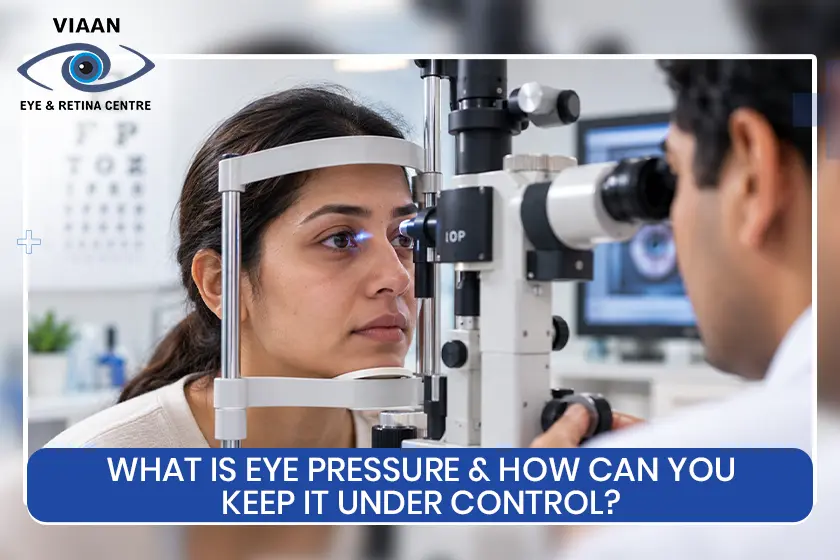
If too much fluid is produced or it does not drain properly, pressure may increase. An eye doctor can measure this pressure using a test called tonometry.
What Is Considered Normal Eye Pressure?
After understanding what eye pressure is, the next question is usually about the normal range. Eye pressure is measured in millimetres of mercury or mmHg.
A commonly used normal range is around 10 to 21 mmHg. However, these numbers do not tell the whole story. Some people may have pressure above this range without optic nerve damage, while others may develop glaucoma even when their readings appear normal.
This is why doctors also check the optic nerve, vision, cornea and other parts of the eye instead of looking at only one number.
Why Can Eye Pressure Become High?
When learning what is eye pressure, it also helps to know why it can rise. There is not always one clear reason.
Higher pressure may happen because:
-
Fluid inside the eye is not draining properly.
-
The eye produces more fluid than it can drain.
-
Certain eye injuries affect the drainage system.
-
Some medicines, including certain steroid medicines, may increase pressure.
-
Family history may increase the risk.
-
Some eye conditions can affect normal fluid flow.
Having higher pressure does not automatically mean you have glaucoma. Still, regular monitoring is important.
Can High Eye Pressure Damage Vision?
People searching for what is eye pressure often worry about vision loss. High pressure itself may not always cause immediate problems. The concern is that continued high pressure can sometimes damage the optic nerve.
The optic nerve carries visual information from your eye to your brain. Damage to this nerve can lead to glaucoma and permanent loss of vision.
The tricky part is that glaucoma can develop slowly and may not cause clear symptoms at first. This is why regular eye examinations matter, especially for people who have been told their pressure is higher than usual.
How Can You Keep Eye Pressure Under Control?
Once you understand what is eye pressure, managing it becomes easier to discuss with your doctor. Treatment depends on your pressure level your optic nerve health and whether you have glaucoma or another eye condition.
Some useful steps include:
-
Get your eye pressure checked regularly.
-
Take prescribed eye drops exactly as advised.
-
Do not stop glaucoma medicine without speaking to your doctor.
-
Tell your eye doctor about all medicines you use.
-
Attend follow up appointments on time.
-
Keep other health conditions properly managed.
-
Follow a balanced diet and healthy daily routine.
If medicine is prescribed, regular use is important. Missing doses can make pressure harder to control.
Do Lifestyle Habits Matter?
While lifestyle alone cannot replace medical treatment, healthy habits can support overall eye health.
People trying to understand what is eye pressure should remember that good eye care is not only about one test result. Regular physical activity, balanced meals, enough sleep and avoiding smoking can support general health.
Try to include vegetables, fruits, whole grains and other nutritious foods in your meals. Stay active according to your health and doctor’s advice.
If you have glaucoma or high eye pressure, ask your doctor whether any particular exercise or activity should be avoided.
How Often Should Eye Pressure Be Checked?
How often you need a pressure test depends on your age, eye health, family history and previous readings.
Someone with normal eyes may only need pressure testing during routine eye examinations. A person with high pressure, glaucoma or a strong family history may need more frequent checks.
Your eye doctor may also perform:
-
Optic nerve examinations.
-
Visual field tests.
-
Corneal thickness tests.
-
Retinal or optic nerve scans.
-
Drainage angle examinations.
These tests help create a more complete picture of your eye health.
When Should You See an Eye Doctor?
Understanding what is eye pressure is useful but you should not try to judge your pressure based on how your eyes feel. High pressure often has no obvious symptoms.
Schedule an eye examination if you have been told your pressure is high or if glaucoma runs in your family.
Seek urgent medical care if you develop sudden severe eye pain, blurred vision, redness, headache, nausea or rainbow like circles around lights. These symptoms can sometimes occur with a sudden rise in eye pressure and should not be ignored.
Conclusion
Knowing what is eye pressure can help you take eye check ups more seriously. Pressure inside the eye is affected by the balance between fluid production and drainage and high readings may need regular monitoring or treatment.
Early checks can help doctors identify problems before serious vision damage occurs.
If you want to understand the Reasons for High Eye Pressure or have concerns about your eye pressure readings, Viaan Eye and Retina Centre can provide a detailed eye examination and suitable guidance based on your condition.
Regular monitoring, timely treatment and following your doctor’s advice can go a long way in protecting your vision.