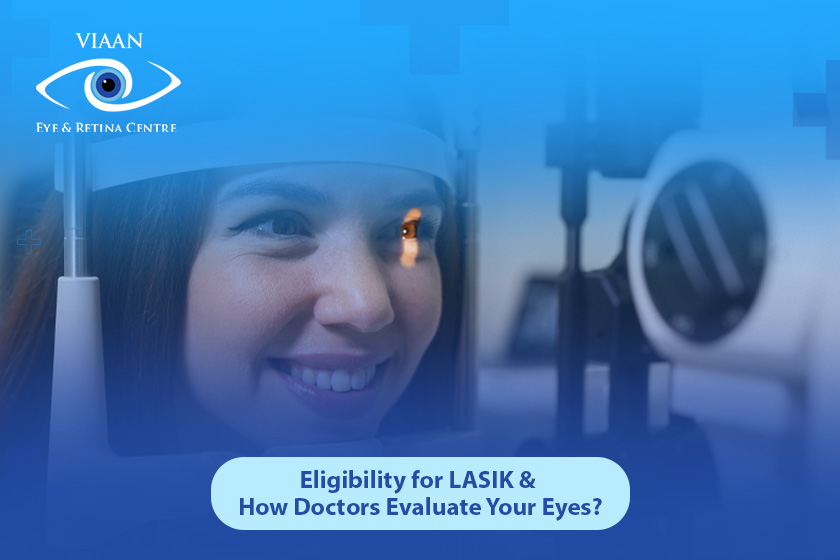
LASIK is a common vision correction procedure. It helps reduce or remove the need for glasses and contact lenses. However, not every person is suitable for this surgery. Doctors follow strict medical guidelines before approving the procedure. Understanding the Eligibility for LASIK helps patients make safe and informed decisions.
LASIK changes the shape of the cornea using a laser. The cornea must be healthy and strong. Doctors carefully examine the eyes before confirming the Eligibility for LASIK. This evaluation protects long term vision and reduces risk.
Basic Requirements for LASIK
Certain general conditions must be met before considering surgery. These include:
-
Age should be 18 years or older.
-
Eye number should be stable for at least one year.
-
The cornea should be healthy.
-
There should be no serious eye disease.
These are only basic requirements. Final Eligibility for LASIK depends on detailed medical testing and overall eye health.
Understanding Eligibility for LASIK and the Eye Evaluation Process
Step 1: Checking Eye Power Stability
Doctors measure the refractive error of the eyes. This includes myopia, hyperopia and astigmatism. The eye number must be stable. If the number keeps changing, surgery may be delayed.
Stable prescription is important because LASIK permanently reshapes the cornea. Unstable vision can affect long term results. This step plays a major role in determining Eligibility for LASIK.
Step 2: Measuring Corneal Thickness
Corneal thickness is one of the most important factors. During LASIK, a small amount of corneal tissue is removed. If the cornea is too thin the procedure may not be safe.
Doctors use advanced machines to measure corneal thickness accurately. A healthy and thick cornea improves surgical safety. This evaluation strongly influences Eligibility for LASIK.
Step 3: Corneal Topography
Corneal topography is a detailed scan of the cornea. It creates a map of its shape and curvature. This test helps detect hidden irregularities.
Conditions like keratoconus or abnormal corneal shape can make LASIK unsafe. Even if vision seems normal, structural weakness may exist. Therefore, this test is essential in confirming Eligibility for LASIK.
Step 4: Tear Film and Dry Eye Assessment
Dry eye condition is common today. However, severe dryness can delay healing after surgery. Doctors test tear production and tear quality.
If dryness is mild, it can be treated before surgery. If dryness is severe, LASIK may not be recommended. Healthy tear film supports proper healing and comfort. This evaluation is necessary when assessing Eligibility for LASIK.
Step 5: Overall Eye Health Examination
Doctors examine the entire eye structure. They check for cataract, glaucoma, retinal problems and infections. Any untreated eye condition must be managed first.
A complete eye examination ensures that the patient is medically fit for surgery. Careful screening helps doctors confirm safe Eligibility for LASIK.
Medical History Review
Doctors also review general health conditions. Certain diseases can affect healing after surgery.
These include:
-
Diabetes
-
Autoimmune disorders
-
Hormonal imbalance
-
Pregnancy
Such conditions may temporarily or permanently affect Eligibility for LASIK. Honest medical disclosure is important for safe evaluation.
Lifestyle Considerations
Lifestyle also influences decision making. Individuals involved in contact sports or physically demanding jobs may require special assessment.
Doctors also explain expected outcomes. LASIK improves vision but does not guarantee perfect eyesight in every case. Clear understanding supports proper Eligibility for LASIK evaluation and realistic expectations.
Situations Where LASIK May Not Be Recommended
Some patients may not qualify for the procedure. Common reasons include:
-
Thin cornea
-
Unstable eye power
-
Active eye infection
-
Severe dry eyes
-
Progressive corneal disorders
If LASIK is not suitable, doctors may suggest alternative treatments. Safety remains the highest priority while deciding Eligibility for LASIK.
Importance of Detailed Evaluation
LASIK is a medical procedure that requires careful planning. Proper testing reduces risk and improves outcomes. Every eye is different. Therefore, evaluation must be personalised.
Confirming accurate Eligibility for LASIK ensures better visual results and long term eye stability. Skipping evaluation steps can lead to complications.
Conclusion
Understanding the correct Eligibility for LASIK is essential before planning surgery. Doctors evaluate eye power stability, corneal thickness, tear quality and overall eye health. Medical history and lifestyle factors are also considered.
If you are planning LASIK Surgery in Gurgaon, choosing experienced specialists is important. At Viaan Eye and Retina Centre, we provides the advanced diagnostic evaluation and expert care ensure safe and precise vision correction with patient focused treatment planning.
Frequently Asked Questions
1. Who is considered eligible for LASIK surgery?
A person is eligible if they are above eighteen years old, have stable eye power, healthy cornea and no serious eye disease. Doctors confirm safety through detailed eye tests before surgery approval.
2. Why is corneal thickness important for LASIK?
Corneal thickness is important because the laser reshapes the cornea. If it is too thin, surgery may not be safe. Doctors measure thickness carefully to prevent complications after the procedure.
3. Can people with dry eyes undergo LASIK?
Mild dry eyes can be treated before surgery. Severe dryness may delay or prevent LASIK. Doctors check tear quality and suggest proper treatment to protect healing and long term comfort.
4. How long does the LASIK evaluation process take?
The evaluation usually takes one to two hours. Doctors perform several tests to check vision number, corneal shape, tear film and overall eye health before confirming suitability.
5. What happens if someone is not eligible for LASIK?
If a person is not eligible, doctors may suggest other safe vision correction options. Alternatives like PRK or ICL may be recommended based on eye condition and medical findings.